

English


Paperback
₹7560
(All inclusive*)
Delivery Options
Please enter pincode to check delivery time.
*COD & Shipping Charges may apply on certain items.
Review final details at checkout.
Looking to place a bulk order? SUBMIT DETAILS
Delivery Options
Please enter pincode to check delivery time.
*COD & Shipping Charges may apply on certain items.
Review final details at checkout.
About The Book
Description
Author
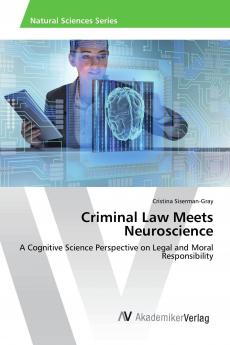
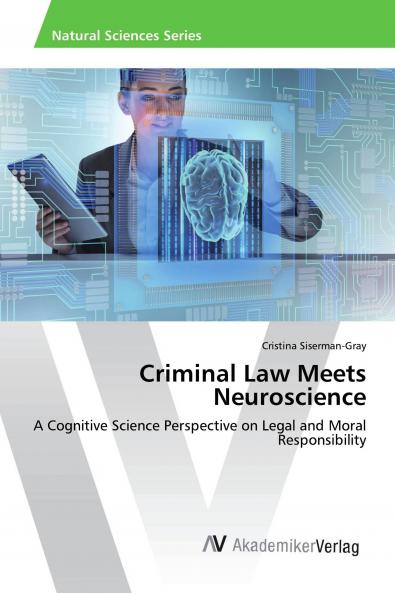
As cognitive science continues to develop and inform our understanding of the brain the opportunities for using neuroscientific evidence in criminal proceedings have also increased. The study discusses in an interdisciplinary manner the impact of neuroscience on the debates related to the concept of free will. It also analyzes how methods and tools of neuroscience can help in assessing the moral and legal responsibility of an individual. The study focuses on two major issues which are addressed at length from a legal philosophical and scientific standpoint. First it evaluates from a theoretical perspective whether there is sufficient scientific research to support the idea that free will or free agency has been challenged by the advancements in neuroscience. Secondly it empirically examines the views of judges prosecutors and attorneys from three European countries (Austria Romania and Slovenia) on the relevance of neuroscientific evidence in the assignment of criminal responsibility during court proceedings.

Piracy-free

Assured Quality

Secure Transactions

Fast Delivery

Sustainably Printed
Details
ISBN 13
9786202224444
Publication Date
-18-06-2019
Pages
-168
Weight
-237 grams
Dimensions
-150x220x9.23 mm
