


This Book is Out of Stock!
English


₹6508
(All inclusive*)
Paperback
Delivery Options
*COD & Shipping Charges may apply on certain items.
Review final details at checkout.
Looking to place a bulk order? SUBMIT DETAILS
*COD & Shipping Charges may apply on certain items.
Review final details at checkout.
₹6508
Out Of Stock
All inclusive*
About The Book
Description
Author
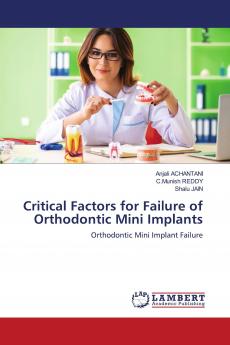
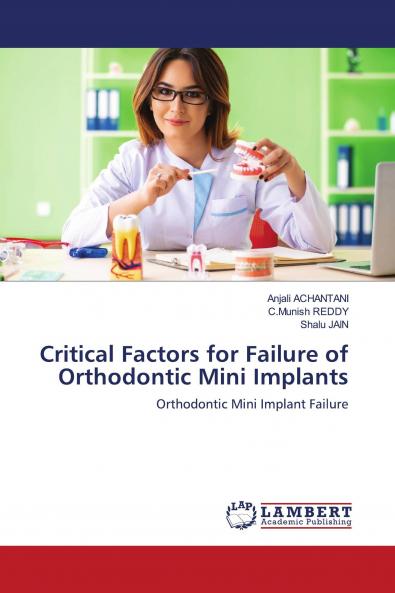
While planning an orthodontic treatment reciprocal effects must be carefully evaluated and strategically planned to control them so as to maximize desired tooth movement and minimize any undesirable effects.Anchorage systems used in conventional orthodontic treatments are classified as extraoral and intraoral devices. A recent development in skeletal anchorage system are temporary anchorage devices (TADs) which are anchored to the alveolar bone and provide direct or indirect anchorage with good stability and several advantages of TADs as compared with conventional anchorage devices which include easier manipulation simpler treatment mechanics shorter total treatment time greater patient comfort ease of insertion and removal reasonable cost biocompatibility and capability to withstand orthodontic forces. Therefore the use of mini-implant have increased tremendously but its success or failure largely depends upon its ability to resist force and to provide sufficient healing at the bone-implant interface various other factors that contribute to the success or failure of mini implant.

Piracy-free

Assured Quality

Secure Transactions

Fast Delivery

Sustainably Printed
Details
ISBN 13
9786204182285
Publication Date
-21-07-2021
Pages
-128
Weight
-176 grams
Dimensions
-150x220x7.18 mm
