


English



Hardback
₹15126
₹17585
13.98% OFF
(All inclusive*)
Delivery Options
Please enter pincode to check delivery time.
*COD & Shipping Charges may apply on certain items.
Review final details at checkout.
Looking to place a bulk order? SUBMIT DETAILS
Delivery Options
Please enter pincode to check delivery time.
*COD & Shipping Charges may apply on certain items.
Review final details at checkout.
About The Book
Description
Author(s)
Shoutouts
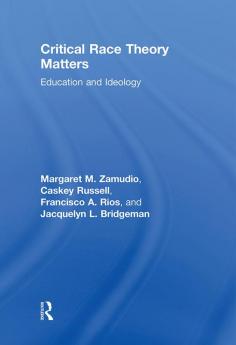
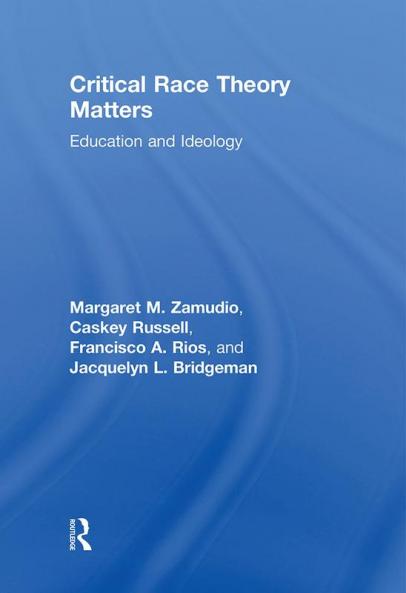
<p>Over the past decade Critical Race Theory (CRT) scholars in education have produced a significant body of work theorizing the impact of race and racism in education. <em>Critical Race Theory Matters</em> provides a comprehensive and accessible overview of this influential movement shining its keen light on specific issues within education. Through clear and accessible language the authors synthesize scholarship in the field highlight major themes and assumptions and examine strategies of resistance and practices for challenging the existing inequalities in education. By linking theory to everyday practices in today’s classroom students will understand how CRT is relevant to a host of timely topics from macro-policies such as Bilingual Education and Affirmative Action to micro-policies such as classroom management and curriculum. Moving beyond identifying problems into the realm of problem solving <em>Critical Race Theory Matters</em> is a call to action to put into praxis a radical new vision of education in support of equality and social justice. </p>

Piracy-free

Assured Quality

Secure Transactions

Fast Delivery

Sustainably Printed
Details
ISBN 13
9780415996730
Publication Date
-14-09-2010
Pages
-192
Weight
-356 grams
Dimensions
-151.99x229x11.86 mm
