

English


Paperback
₹9522
₹11158
14.66% OFF
(All inclusive*)
Delivery Options
Please enter pincode to check delivery time.
*COD & Shipping Charges may apply on certain items.
Review final details at checkout.
Looking to place a bulk order? SUBMIT DETAILS
Delivery Options
Please enter pincode to check delivery time.
*COD & Shipping Charges may apply on certain items.
Review final details at checkout.
About The Book
Description
Author
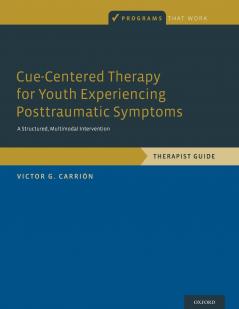
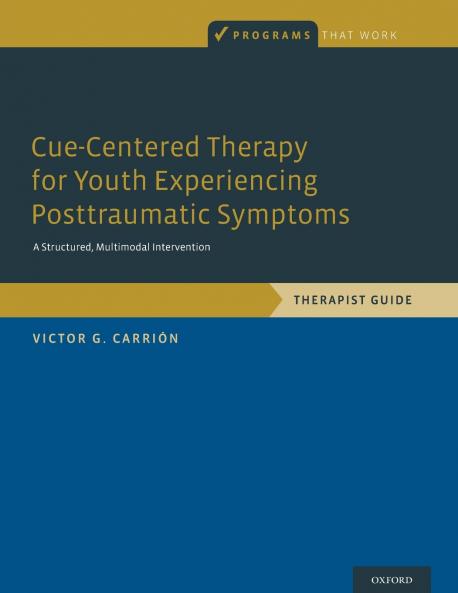
Trauma can be defined as exposure to a shocking distressing or emotionally painful event that can result in negative mental and physical health effects. Due to its interference with development childhood trauma is particularly detrimental and can result in symptoms including posttraumatic stress disorder anxiety disorders depression dissociation externalizing behavioral problems and suicidal ideation. It can increase the risk of substance use school disengagement and academic difficulties and it has been associated with attentional impairment cognitive performance and the development of self-regulation. <p/><em>Cue-Centered Therapy for Youth Experiencing Posttraumatic Symptoms</em> presents a psychosocial treatment approach for children and adolescents who have been exposed to chronic traumatic experiences. Cue-Centered Therapy (CCT) derives its name from its focus on the conditioning process that results in sensitivity towards trauma-related cues. CCT addresses four core domains: cognition behavior emotions and physiology through a combination of empirically supported and CCT-specific interventions. This structured and flexible Therapist Guide focuses on helping the youth develop insight into his/her own patterns of behaviors and emotions. Rather than having youth attempt to unlearn maladaptive responses conditioned to cues CCT focuses on creating new connections and behavioral responses. The treatment manual offers guidelines on conducting each of the sessions while respecting the individual therapist's own strengths. Through the use of visual icons forms and figures the manual facilitates teaching relevant lessons. The therapy reduces negative cognitions allows for emotional expression identifies and changes trauma-related responses empowers with knowledge and skills and strengthens the relationship between the caregiver and his/her child.<br>

Piracy-free

Assured Quality

Secure Transactions

Fast Delivery

Sustainably Printed
Details
ISBN 13
9780190201326
Publication Date
-23-12-2015
Pages
-222
Weight
-534 grams
Dimensions
-216x280x11.9 mm
