

English


Paperback
₹4094
(All inclusive*)
Delivery Options
Please enter pincode to check delivery time.
*COD & Shipping Charges may apply on certain items.
Review final details at checkout.
Looking to place a bulk order? SUBMIT DETAILS
Delivery Options
Please enter pincode to check delivery time.
*COD & Shipping Charges may apply on certain items.
Review final details at checkout.
About The Book
Description
Author
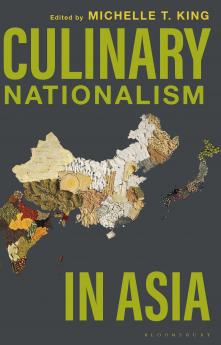
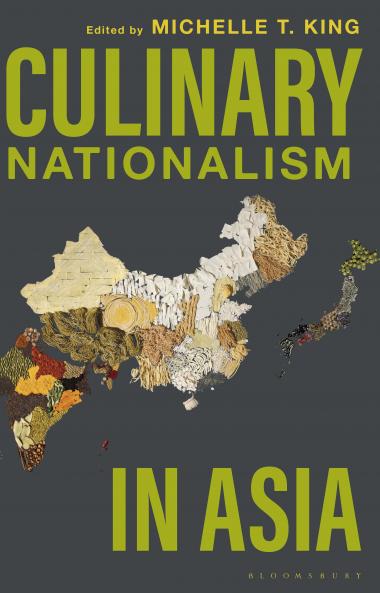
With culinary nationalism defined as a process in flux as opposed to the limited concept of national cuisine the contributors of this book call for explicit critical comparisons of cases of culinary nationalism among Asian regions with the intention of recognizing patterns of modern culinary development. As a result the formation of modern cuisine is revealed to be a process that takes place around the world in different forms and periods and not<br/>exclusive to current Eurocentric models.<br/><br/>Key themes include the historical legacies of imperialism/colonialism nationalism the Cold War and global capitalism in Asian cuisines; internal culinary boundaries between genders ethnicities social classes religious groups and perceived traditions/modernities; and global contexts of Asian cuisines as both nationalist and internationalist enterprises and Asia itself as a vibrant culinary imaginary. <br/><br/>The book which includes a foreword from Krishnendu Ray and an afterword from James L. Watson sets out a fresh agenda for thinking about future food studies scholarship.

Piracy-free

Assured Quality

Secure Transactions

Fast Delivery

Sustainably Printed
Details
ISBN 13
9781350236868
Publication Date
-27-01-2022
Pages
-306
Weight
-437 grams
Dimensions
-155.96x233.93x16.32 mm
