

English


₹2646
(All inclusive*)
Paperback
Delivery Options
Please enter pincode to check delivery time.
*COD & Shipping Charges may apply on certain items.
Review final details at checkout.
Looking to place a bulk order? SUBMIT DETAILS
Delivery Options
Please enter pincode to check delivery time.
*COD & Shipping Charges may apply on certain items.
Review final details at checkout.
About The Book
Description
Author
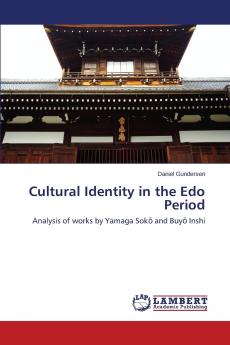
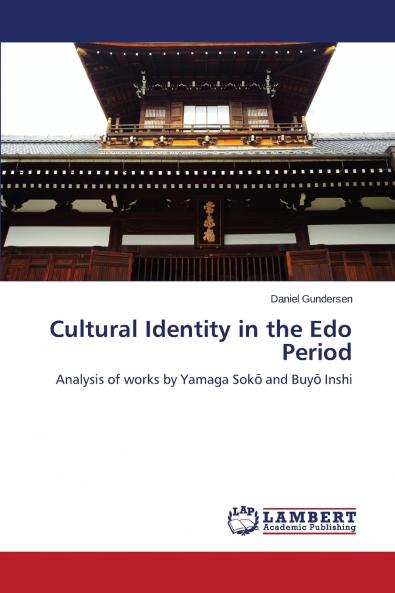
In the Edo period people who started to question what it meant to be Japanese increased. This kind of cultural identity can be seen in thoughts on Japan as Shinkoku (Divine Land) K?koku (Imperial Country) Bukoku (Martial Country). All three emphasised what made Japan special compared to other countries. In this book I compare Shinkoku K?koku and Bukoku thoughts and show how they relate to each other and what similarities and differences they have. To do this I analyse two texts Ch?ch? jijitsu (Actual facts about the Central realm) by Yamaga Sok? and Seji kenbunroku (A witness account of matters in the world) by Buy? Inshi. The former contains typical elements from K?koku thought and the latter presents views that are typical of Bukoku thought. The common understanding has been that the idea of Japan as Bukoku emerged early in the Edo period and was later weakened as a result of the increasing popularity of K?koku. However the two texts show K?koku in a time where Bukoku thought was more common and vice versa. This implies that there were several intellectual layers differing from what has been accepted as the mainstream in the Edo period history of ideas.

Piracy-free

Assured Quality

Secure Transactions

Fast Delivery

Sustainably Printed
Details
ISBN 13
9783659555503
Publication Date
-31-07-2014
Pages
-76
Weight
-116 grams
Dimensions
-150x220x4.5 mm
