

English


Paperback
₹6183
(All inclusive*)
Delivery Options
Please enter pincode to check delivery time.
*COD & Shipping Charges may apply on certain items.
Review final details at checkout.
Looking to place a bulk order? SUBMIT DETAILS
Delivery Options
Please enter pincode to check delivery time.
*COD & Shipping Charges may apply on certain items.
Review final details at checkout.
About The Book
Description
Author
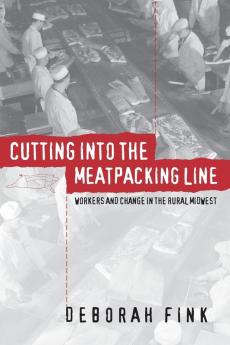
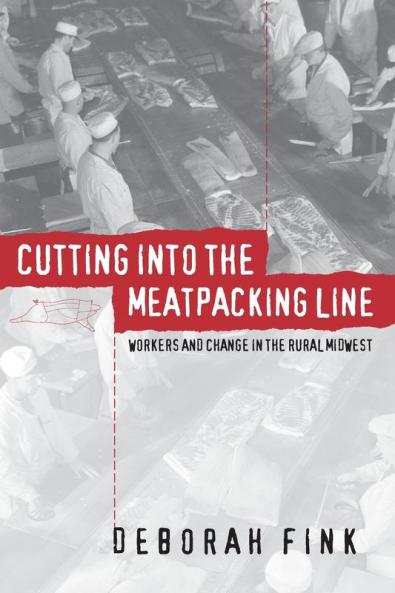
The nostalgic vision of a rural Midwest populated by independent family farmers hides the reality that rural wage labor has been integral to the region&#x2019;s development says Deborah Fink. Focusing on the porkpacking industry in Iowa Fink investigates the experience of the rural working class and highlights its significance in shaping the state&#x2019;s economic political and social contours.<br/><br/>Fink draws both on interviews and on her own firsthand experience working on the production floor of a pork-processing plant. She weaves a fascinating account of the meatpacking industry&#x2019;s history in Iowa &#x2014; a history she notes that has been experienced differently by male and female immigrant and native-born white and black workers. Indeed argues Fink these differences are a key factor in the ongoing creation of the rural working class.<br/><br/>Other writers have denounced the new meatpacking companies for their ruthless destruction of both workers and communities. Fink sustains this criticism which she augments with a discussion of union action but also goes beyond it. She looks within rural midwestern culture itself to examine the class gender and ethnic contradictions that allowed &#x2014; indeed welcomed &#x2014; the meatpacking industry&#x2019;s development.

Piracy-free

Assured Quality

Secure Transactions

Fast Delivery

Sustainably Printed
Details
ISBN 13
9780807846957
Publication Date
-06-04-1998
Pages
-260
Weight
-374 grams
Dimensions
-156x234x14.95 mm
