


This Book is Out of Stock!


Paperback
₹1166
₹1499
22.21% OFF
(All inclusive*)
Delivery Options
*COD & Shipping Charges may apply on certain items.
Review final details at checkout.
Looking to place a bulk order? SUBMIT DETAILS
*COD & Shipping Charges may apply on certain items.
Review final details at checkout.
₹1166
₹1499
22% OFF
Paperback
Out Of Stock
All inclusive*
About The Book
Description
Author(s)
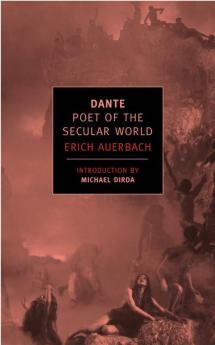
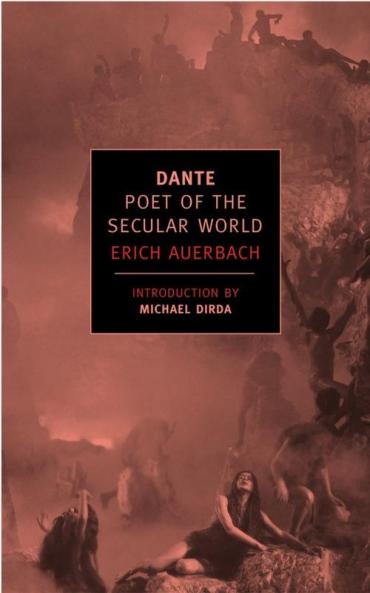
Erich Auerbach's <i>Dante: Poet of the Secular World</i> is an inspiring introduction to one of world's greatest poets as well as a brilliantly argued and still provocative essay in the history of ideas. Here Auerbach thought by many to be the greatest of twentieth-century scholar-critics makes the seemingly paradoxical claim that it is in the poetry of Dante supreme among religious poets and above all in the stanzas of his <i>Divine Comedy</i> that the secular world of the modern novel &#64257;rst took imaginative form. Auerbach's study of Dante a precursor and necessary complement to <i>Mimesis</i> his magisterial overview of realism in Western literature illuminates both the overall structure and the individual detail of Dante's work showing it to be an extraordinary synthesis of the sensuous and the conceptual the particular and the universal that rede&#64257;ned notions of human character and fate and opened the way into modernity. <p/>CONTENTS<br>I. Historical Introduction; The Idea of Man in Literature<br>II. Dante's Early Poetry<br>III. The Subject of the Comedy<br>IV. The Structure of the Comedy<br>V. The Presentation<br>VI. The Survival and Transformation of Dante's Vision of Reality<br>Notes<br>Index

Piracy-free

Assured Quality

Secure Transactions

Fast Delivery

Sustainably Printed
Details
ISBN 13
9781590172193
Publication Date
-16-01-2007
Pages
-208
Weight
-227 grams
Dimensions
-128x203x12.77 mm
Imprint
-NYRB Classics
