

English


Paperback
₹4272
(All inclusive*)
Delivery Options
Please enter pincode to check delivery time.
*COD & Shipping Charges may apply on certain items.
Review final details at checkout.
Looking to place a bulk order? SUBMIT DETAILS
Delivery Options
Please enter pincode to check delivery time.
*COD & Shipping Charges may apply on certain items.
Review final details at checkout.
About The Book
Description
Author(s)
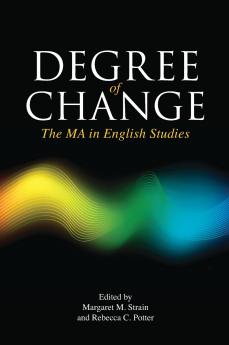
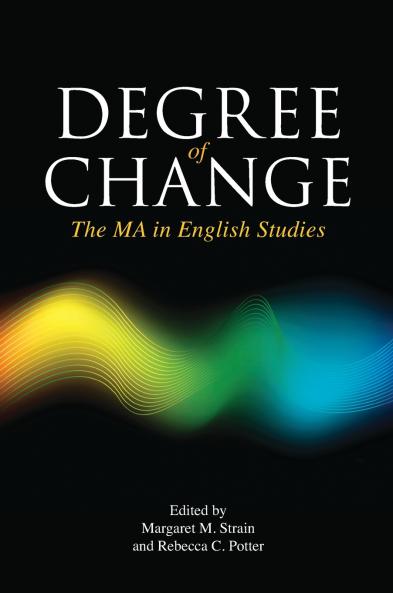
<p><span style=background-color: rgba(255 255 255 1); color: rgba(29 31 37 1)>As the needs of those seeking an MA in English studies have evolved so too have the degree's mission and identity. Margaret M. Strain and Rebecca C. Potter editors of</span><em style=background-color: rgba(255 255 255 1); color: rgba(29 31 37 1)> Degree of Change: The MA in English Studies</em><span style=background-color: rgba(255 255 255 1); color: rgba(29 31 37 1)> argue that the MA is positioned in a dynamic contact zone-a place where disciplinary knowledge student need and local exigencies interact and where disciplinary identity is constantly negotiated.</span></p><p><span style=background-color: rgba(255 255 255 1); color: rgba(29 31 37 1)>Looking primarily at stand-alone master's programs this volume examines the design delivery and value of a master's degree in English in the twenty-first century and challenges the characterization that MA programs in English serve primarily as stepping-stones to the PhD. Rather contributors reveal how central the MA is to shaping the purpose and identity of contemporary English studies through descriptions of a variety of specific MA programs.</span></p><p><span style=background-color: rgba(255 255 255 1); color: rgba(29 31 37 1)>Gathering perspectives from faculty program directors and students from across the country Strain and Potter showcase not only the diversity of such programs but also the ways in which program identity and mission are richly interwoven with concerns about local needs graduate student career trajectories and the effects of a market-driven educational climate. This collection provides a substantive discussion that goes beyond questioning the state of English studies-it points to curricular programmatic and professional innovations that are transforming the field calling for new dialogue in higher education about the pivotal role of the MA in English.</span></p>

Piracy-free

Assured Quality

Secure Transactions

Fast Delivery

Sustainably Printed
Details
ISBN 13
9780814110799
Publication Date
-15-11-2016
Pages
-312
Weight
-414 grams
Dimensions
-150x226x16.59 mm
