


English


₹12772
(All inclusive*)
Hardback
Delivery Options
Please enter pincode to check delivery time.
*COD & Shipping Charges may apply on certain items.
Review final details at checkout.
Looking to place a bulk order? SUBMIT DETAILS
Delivery Options
Please enter pincode to check delivery time.
*COD & Shipping Charges may apply on certain items.
Review final details at checkout.
About The Book
Description
Author
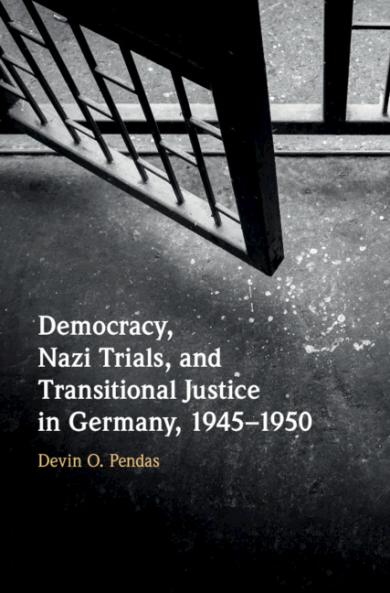
Post-war Germany has been seen as a model of ''transitional justice'' in action where the prosecution of Nazis most prominently in the Nuremberg Trials helped promote a transition to democracy. However this view forgets that Nazis were also prosecuted in what became East Germany and the story in West Germany is more complicated than has been assumed. Revising received understanding of how transitional justice works Devin O. Pendas examines Nazi trials between 1945 and 1950 to challenge assumptions about the political outcomes of prosecuting mass atrocities. In East Germany where there were more trials and stricter sentences and where they grasped a broad German complicity in Nazi crimes the trials also helped to consolidate the emerging Stalinist dictatorship by legitimating a new police state. Meanwhile opponents of Nazi prosecutions in West Germany embraced the language of fairness and due process which helped de-radicalise the West German judiciary and promote democracy.

Piracy-free

Assured Quality

Secure Transactions

Fast Delivery

Sustainably Printed
Details
ISBN 13
9780521871297
Publication Date
-24-09-2020
Pages
-236
Weight
-414 grams
Dimensions
-152x229x14.29 mm
