






₹16663
₹19833
15.98% OFF
(All inclusive*)
Hardback
Delivery Options
Please enter pincode to check delivery time.
*COD & Shipping Charges may apply on certain items.
Review final details at checkout.
Looking to place a bulk order? SUBMIT DETAILS
Delivery Options
Please enter pincode to check delivery time.
*COD & Shipping Charges may apply on certain items.
Review final details at checkout.
About The Book
Description
Author
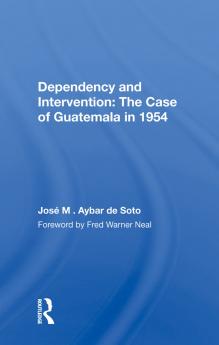
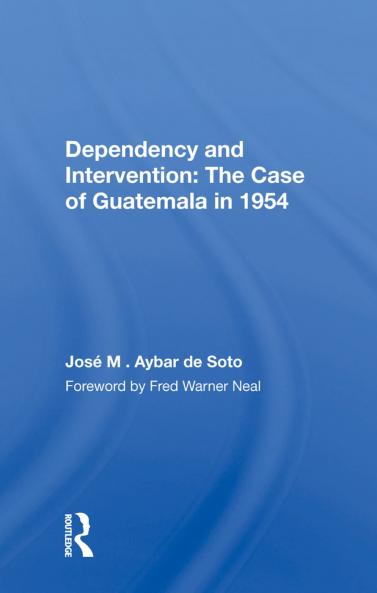
The government that took power during the 1944 Guatemalan revolution began gradually to prepare the legal foundation for the agrarian reform considered essential to Guatemala's development. After Colonel Jacobo Arbenz Guzman was elected president in 1951 he moved to fulfill his campaign promises by applying the Agrarian Reform Law to the United Fruit Company. This action set off a chain of events that culminated in U.S. intervention in 1954. This study examines the phenomenon of intervention by a dominant developed nation-state (metropole) into the internal affairs of an underdeveloped nation-state. The author builds a theoretical construct--integrating the predominant tenets of dependency and core interests theory--which he applies to the case of Guatemala; he then presents conclusions and general observations based on the relationship of the theory to the case study. Dr. Aybar describes in detail and with unusual clarity the interlocking relationship of government and multinational corporations (MNCs) that led to U.S. intervention in Guatemala and explains the intervention in terms of the continuous penetration of the extended domain of the metropole as well as the metropole's defense of the interests of its MNCs.

Piracy-free

Assured Quality

Secure Transactions

Fast Delivery

Sustainably Printed
Details
ISBN 13
9780367017606
Publication Date
-07-06-2019
Pages
-398
Weight
-625 grams
Dimensions
-151.892x229.108x22.44725 mm
