


English


Paperback
₹2915
(All inclusive*)
Delivery Options
Please enter pincode to check delivery time.
*COD & Shipping Charges may apply on certain items.
Review final details at checkout.
Looking to place a bulk order? SUBMIT DETAILS
Delivery Options
Please enter pincode to check delivery time.
*COD & Shipping Charges may apply on certain items.
Review final details at checkout.
About The Book
Description
Author
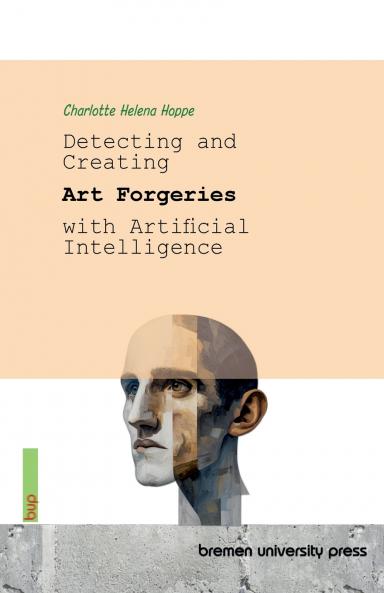
Art forgeries have a long history-but never before have museums dealers and collectors faced such fundamental challenges as in the age of artificial intelligence. The boundaries between original and imitation between human creativity and algorithmically generated simulation are blurring at a rapid pace. Modern AI systems can imitate styles falsify digital documents and create plausible new works in the style of old masters. At the same time these same technologies are enabling for the first time precise analyses that reveal fakes before they reach the market.This book examines this dual movement: the new possibilities for deception and the equally new tools for detection. It combines classical art forensics with computer vision deep learning and digital provenance research. It shows how archives can be manipulated how deepfakes can undermine art-historical narratives and how AI-supported authentication is transforming the foundations of museum expertise. At the same time it develops perspectives for a more transparent technically supported art market of the future.The result is an interdisciplinary work that combines art history forensics technology law and economics. It is aimed at anyone who wants to understand how the art world is changing in the 21st century. This book not only shows how forgeries are created and exposed but also opens up a debate about authenticity in an age when truth itself is up for negotiation.Bremen University Press has published over 5500 specialist books in various languages since 2005.November 2025

Piracy-free

Assured Quality

Secure Transactions

Fast Delivery

Sustainably Printed
Details
ISBN 13
9783691735406
Publication Date
-19-11-2025
Pages
-154
Weight
-190 grams
Dimensions
-140x216x9.07 mm
