

English


₹5748
₹7578
24.15% OFF
(All inclusive*)
Paperback
Delivery Options
Please enter pincode to check delivery time.
*COD & Shipping Charges may apply on certain items.
Review final details at checkout.
Looking to place a bulk order? SUBMIT DETAILS
Delivery Options
Please enter pincode to check delivery time.
*COD & Shipping Charges may apply on certain items.
Review final details at checkout.
About The Book
Description
Author(s)
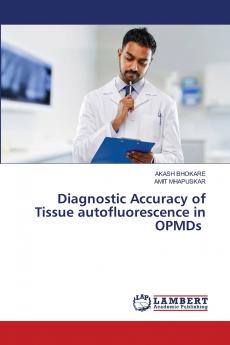
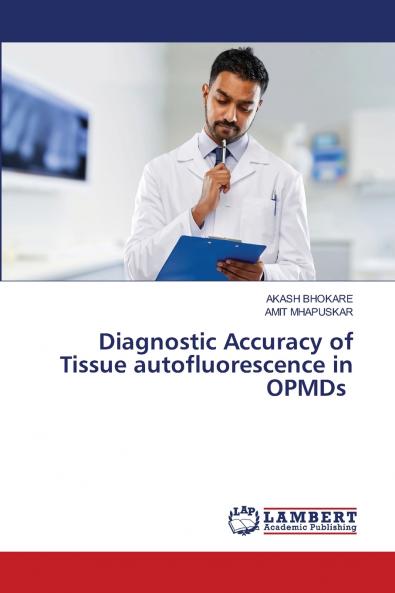
This review examines the effectiveness of tissue autofluorescence using VELscope in detecting oral potentially malignant disorders. It compares this method with the standard approach of histopathological examination and other diagnostic tools. The review highlights that VELscope is a valuable non-invasive aid that can identify abnormal tissue changes through fluorescence patterns. However its diagnostic accuracy varies with some instances of false positives and negatives reported. Because of these limitations VELscope is recommended to be used alongside clinical examination and biopsy rather than as a standalone diagnostic method. Combining different diagnostic techniques enhances the detection of potentially malignant oral lesions. The review also suggests that further research is needed to improve the consistency and application of autofluorescence in clinical settings. Overall tissue autofluorescence appears promising for early detection but requires careful interpretation.

Piracy-free

Assured Quality

Secure Transactions

Fast Delivery

Sustainably Printed
Details
ISBN 13
9786208451677
Publication Date
-15-06-2025
Pages
-56
Weight
-90 grams
Dimensions
-152x229x3.41 mm
