




This Book is Out of Stock!
English


Paperback
₹4939
₹5253
5.98% OFF
(All inclusive*)
Delivery Options
*COD & Shipping Charges may apply on certain items.
Review final details at checkout.
Looking to place a bulk order? SUBMIT DETAILS

Piracy-free

Assured Quality

Secure Transactions
About The Book
Description
Author(s)
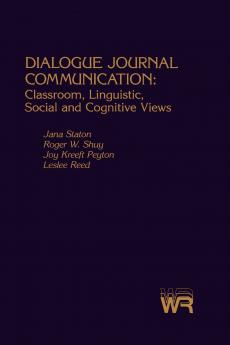
The thesis of this volume is that writing done by students who control their own topics who have genuine purposes for writing and have a real known audience is quite different and valuable in its own right. It forms a rich source of information about how young students think manage their social interactions and use language with competence to get things done. By selecting dialogue journal writing as a corpus for analysis it is possible to observe children''s communicative competence in using written language purposefully apart from their ability to master a particular form of writing. The central argument is that dialogue journal communication represents a kind of personal literacy prior to and more comprehensive than the particular literacies emphasized and assessed in schools. The contents include a practitioner''s view of the practice itself and a summary of the research study methods developed to analyze interactive written conversations.
Piracy-free
Assured Quality
Secure Transactions
*COD & Shipping Charges may apply on certain items.
Review final details at checkout.
₹4939
₹5253
5% OFF
Paperback
Out Of Stock
All inclusive*
Details
ISBN 13
9780893914318
Publication Date
-01-01-1988
Pages
-352
Weight
-501 grams
Dimensions
-156x234x18.59 mm
