


English


Hardback
₹3902
₹5003
22.01% OFF
(All inclusive*)
Delivery Options
Please enter pincode to check delivery time.
*COD & Shipping Charges may apply on certain items.
Review final details at checkout.
Looking to place a bulk order? SUBMIT DETAILS

Piracy-free

Assured Quality

Secure Transactions
About The Book
Description
Author
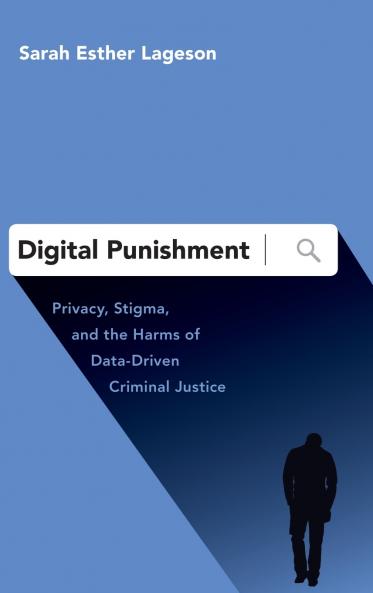
The proliferation of data-driven criminal justice operations creates millions of criminal records each year in the United States. Documenting everything from a police stop to a prison sentence these records take on a digital life of their own as they are collected by law enforcement and courts posted on government websites re-posted on social media online news and mugshot galleries and bought and sold by data brokers. The result is digital punishment where mere suspicion or a brush with the law can have lasting consequences. <p/>In <em>Digital Punishment</em> Sarah Esther Lageson unpacks criminal recordkeeping in the digital age as busy and overburdened criminal justice agencies turned to technological solutions offered by IT companies over the last two decades. These operations produce a mountain of data including the names photographs and home addresses of people arrested or charged with a crime transforming millions of paper records into a digital commodity. Regardless of factual or legal guilt these records rapidly multiply across the private sector background checking and personal data industries. <p/>Emboldened by public records laws designed for paper-based systems criminal record data has become an extremely valuable resource for employers landlords and communities to monitor criminal behavior and assess other people. But while transparency laws were originally designed to allow governmental watchdogging digital punishment has redirected our gaze toward one another. Hundreds of interviews detailed in this book reveal the consequences of digital punishment as people purposefully opt out of society to cope with privacy and due process violations. As criminal histories impact nearly every aspect of private and civic life the collateral consequences of even the most minor records are much more than barriers to employment and housing. For the criminal record-holder the messy entanglement of government bureaucracy is nothing compared to the jurisdiction-less haze of the internet. <p/>Drawing on empirical data interviews and review of case law this book powerfully demonstrates that addressing digital punishment will require a direct acknowledgement of privacy and dignity in the context of public accusation and a reckoning of how rehabilitation can actually occur in a society that never forgets.<br>
Piracy-free
Assured Quality
Secure Transactions
Delivery Options
Please enter pincode to check delivery time.
*COD & Shipping Charges may apply on certain items.
Review final details at checkout.
Details
ISBN 13
9780190872007
Publication Date
-24-06-2020
Pages
-252
Weight
-455 grams
Dimensions
-156x234x15.88 mm
