


This Book is Out of Stock!
English


Paperback
₹1769
₹2589
31.67% OFF
(All inclusive*)
Delivery Options
*COD & Shipping Charges may apply on certain items.
Review final details at checkout.
Looking to place a bulk order? SUBMIT DETAILS
*COD & Shipping Charges may apply on certain items.
Review final details at checkout.
About The Book
Description
Author
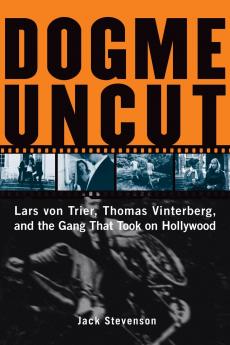
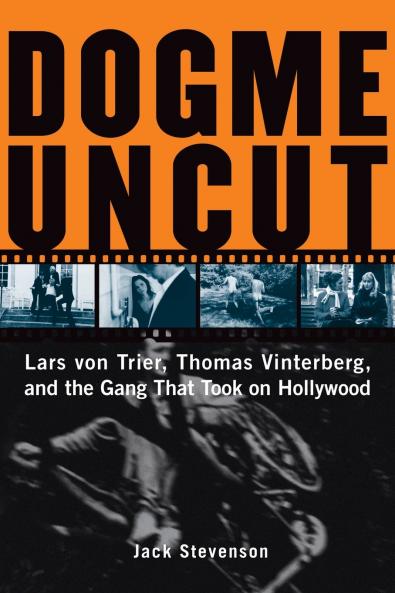
<div>In 1995 Danish filmmaker Lars von Trier (<I>Breaking the Waves Dancer in the Dark Dogville</I>) and three fellow Danish directors swore allegiance to a &#147;vow of chastity aimed at jolting filmmakers around the world who had become stuck in the mire of slick emotionally manipulative high-concept and bombastic movie productions. They named their philosophy &#147;Dogme95&#8221; and its tenets demanded a return to the basic core of filmmaking: the use of natural lighting and a hand-held camera and the refusal to use special effects a soundtrack of any kind (only natural sounds found on location were acceptable) and movie sets (all shooting was to take place on location).<BR><BR>Like the French New Wave and 1960s American Underground film movements Dogme had a profound affect on filmmaking around the world including the sacred cow known as &#147;Hollywood.&#8221; In part because of the proliferation of relatively inexpensive digital cameras and technology the movement resonated with young and independent filmmakers creating a surge in back-to-the-basics guerilla filmmaking. It also had a profound influence on everything from Hollywood filmmakers to dance choreographers to computer game manufacturers.<BR><BR>The list of films and filmmakers to come out of the Dogme movement reads like a who's who of art-house cinema from the late-1990s and early-2000s: the aforementioned Lars von Trier Thomas Vinterberg (<I>The Celebration</I>) Harmony Korine (<I>Julien Donkey-Boy</I>) Lone Scherfig (<I>Italian for Beginners</I>) and Susanne Bier (<I>Open Hearts</I>) among many others.<br><BR><I>Dogme Uncut</I> is written by film journalist and historian Jack Stevenson who while living in Demark for the past decade has had a true insider&#8217;s view of the Dogme movement from its conception to its early triumphs to its current incarnation. With a good deal of humor and fascinating insights Stevenson brings a mixture of history analysis and reportage to bear on the eight-year-old film movement examining the subject from multiple perspectives. Dogme&#8217;s debt to previous film &#147;waves&#8221; is explored as is the impact Dogme itself has had on current trends in cinema and on today&#8217;s young filmmakers. Penned in a lively accessible and jargon-free style <I>Dogme Uncut</I> is a richly illustrated survey of the entire Dogme canon that is both entertaining and hugely informative.</div>

Piracy-free

Assured Quality

Secure Transactions
₹1769
₹2589
31% OFF
Paperback
Out Of Stock
All inclusive*
Details
ISBN 13
9781891661358
Publication Date
-01-09-2003
Pages
-312
Weight
-425 grams
Dimensions
-152x229x16.59 mm
