


This Book is Out of Stock!
English


₹3206
(All inclusive*)
Paperback
Delivery Options
*COD & Shipping Charges may apply on certain items.
Review final details at checkout.
Looking to place a bulk order? SUBMIT DETAILS
*COD & Shipping Charges may apply on certain items.
Review final details at checkout.
₹3206
Out Of Stock
All inclusive*
About The Book
Description
Author
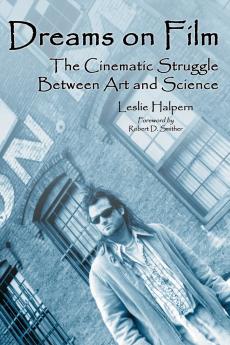
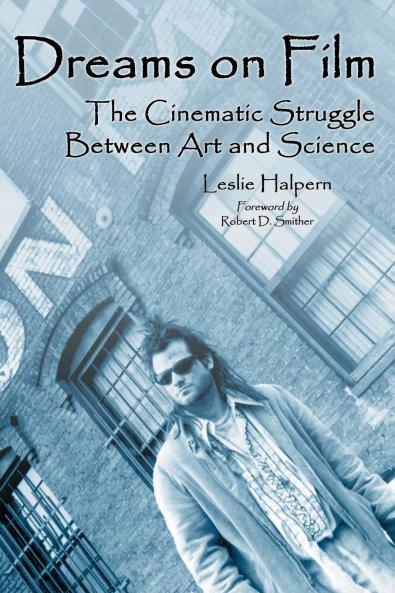
Films with dream sequences or a dreamlike quality allow directors to create their own rules of logic and nature to meet a variety of artistic needs. For instance an opening dream immediately establishes what a character is feeling; a later dream--or series of them--provides viewers with a glimpse of the climax and a concluding dream ties up loose ends. (In real life of course dreams do not occur at such convenient times or serve such useful purposes.) This book explores why science is lost or distorted in the process of representing dreams on film and why audiences prefer this figurative truth of art over the literal truth of science. Part One discusses changes in form and considers the history of dream theory. Additionally the physiology of sleeping and dreaming dream structure sleep deprivation dreams under the influence of drugs or alcohol and waking up as depicted on film are examined. Part Two investigates changes in content and delves into the psychology of sleeping and dreaming dream interpretation altered states of consciousness visions and prophecies dreams as wish fulfillment sex and death nightmares and reality versus illusion. The author uses theories by Freud Jung and current experts in her analyses of dream sequences and their use in film.

Piracy-free

Assured Quality

Secure Transactions

Fast Delivery

Sustainably Printed
Details
ISBN 13
9780786415960
Publication Date
-27-01-2003
Pages
-210
Weight
-292 grams
Dimensions
-152x229x14.49 mm
