

English


Paperback
₹5279
(All inclusive*)
Delivery Options
Please enter pincode to check delivery time.
*COD & Shipping Charges may apply on certain items.
Review final details at checkout.
Looking to place a bulk order? SUBMIT DETAILS

Piracy-free

Assured Quality

Secure Transactions
About The Book
Description
Author
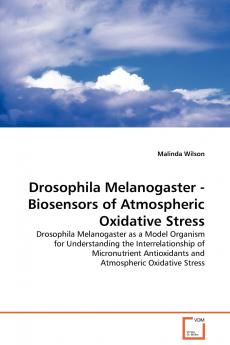
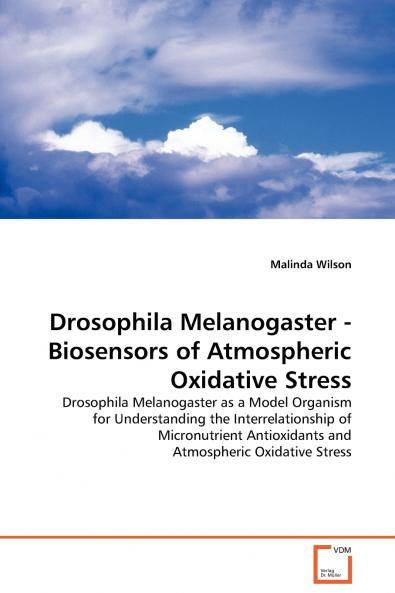
Studies of Drosophila melanogaster have led to molecular insights concerning biomolecular mechanisms of biology and disease including development differentiation cancer and aging. Wild-type Drosophila unlike vertebrate mammals selectively retains gamma-tocopherol over alpha-tocopherol. Urate-deficient Drosophila compared to wild-type had similar levels of glutathione but only 50% of the ascorbate levels. Dietary supplementation with ascorbate dramatically increased its level while chemically-defined diets led to rapid depletion of ascorbate in both strains. It is concluded that Drosophila do not synthesize ascorbate and in this respect are similar to humans. Wild-type and urate-deficient Drosophila were continuously exposed to ozone. Exposure of Drosophila to 2 ppm ozone/24hrs/day unmasked a marked sensitivity phenotype of urate-deficient Drosophila. Studies revealed that ascorbate supplementation decreased ozone-induced toxicity in Drosophila. Collectively these data reveal the usefulness of Drosophila as a model organism for studying micronutrient antioxidants and their interrelationship with ozone-induced toxicity.
Piracy-free
Assured Quality
Secure Transactions
Delivery Options
Please enter pincode to check delivery time.
*COD & Shipping Charges may apply on certain items.
Review final details at checkout.
Details
ISBN 13
9783639130621
Publication Date
-12-03-2009
Pages
-112
Weight
-163 grams
Dimensions
-150x220x6.35 mm
