

English


₹9290
₹11516
19.33% OFF
(All inclusive*)
Hardback
Delivery Options
Please enter pincode to check delivery time.
*COD & Shipping Charges may apply on certain items.
Review final details at checkout.
Looking to place a bulk order? SUBMIT DETAILS
Delivery Options
Please enter pincode to check delivery time.
*COD & Shipping Charges may apply on certain items.
Review final details at checkout.
About The Book
Description
Author(s)
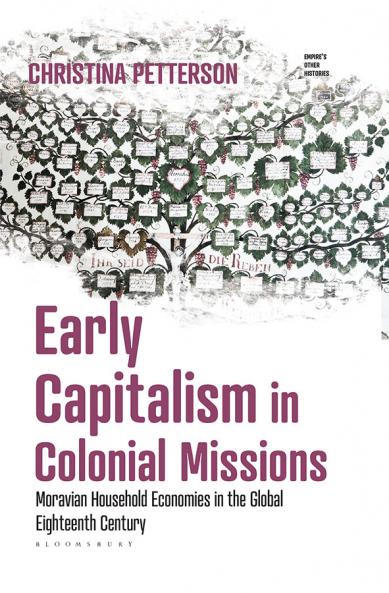
Drawing on unpublished archival material this volume compares two Moravian missions in Greenland and Australia to demonstrate how their practices evolved over the 18th 19th and 20th centuries as part of a globalizing world and economy. Delivering in-depth analysis of the far-reaching and deep-seated effects of missionary activity on indigenous communities and social relations it also explores how the indigenous were 'othered' in empire and the role missionaries played in this process. <br/><br/>Petterson provides an insight into the lives of indigenous peoples and the missionaries who lived amongst them at a time of changing identities and socio-economic change. Analysing how missionary practice developed over this period it also demonstrates how attitudes to and engagement with indigenous peoples transformed. Standing outside of national and imperial boundaries and ambivalent about the political notion of imperialism and colonisation itself nonetheless missionaries functioned in parallel with colonial structures and were part of a broadly culturally colonial mission. On the outskirts of imperial organisation they were often a crucial part of colonial practice. This book examines both missionaries and indigenous peoples as 'others' in imperial systems through the economic and cultural practices of their spiritual colonialism.

Piracy-free

Assured Quality

Secure Transactions

Fast Delivery

Sustainably Printed
Details
ISBN 13
9781350122086
Publication Date
-11-01-2024
Pages
-226
Weight
-420 grams
Dimensions
-155.96x233.93x13.61 mm
