


English
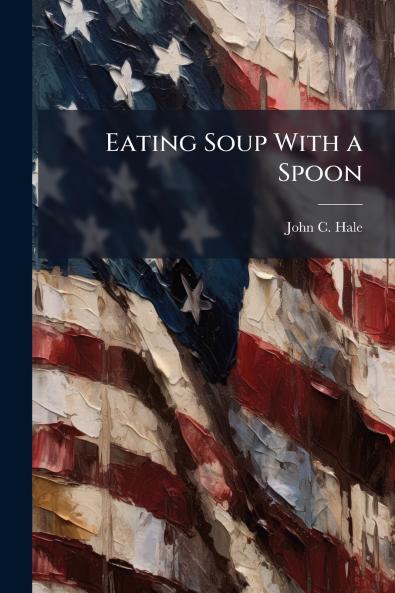



Paperback
₹1687
₹1846
8.61% OFF
(All inclusive*)
Delivery Options
Please enter pincode to check delivery time.
*COD & Shipping Charges may apply on certain items.
Review final details at checkout.
Looking to place a bulk order? SUBMIT DETAILS
Delivery Options
Please enter pincode to check delivery time.
*COD & Shipping Charges may apply on certain items.
Review final details at checkout.
About The Book
Description
Author
<p>The purpose of this monograph is to analyze the employment of fires brigades (FiB) in the global war on terror and determine if fires brigades are being utilized fully and in their doctrinal role. The US Army developed FiBs to replace the previous corps artillery and divisional artillery headquarters and to be capable of operating as a modular organization with full spectrum capabilities. Army and joint doctrine are in agreement over the importance of synchronizing lethal and nonlethal fires. This importance is not present when evaluating army and joint COIN and stability doctrine. The organization of the FiB is significantly different from artillery brigades. The FiB has the capability to receive and support attached forces and conduct full spectrum operations including maneuver tasks previously assigned to only brigade combat teams. This monograph analyzes FiB organization and capability contained in doctrine and the employment of FiBs in current conflicts to recommend solutions for improving both lethal and nonlethal fires and the employment of FiBs. Army and joint doctrine form the foundation of operations and therefore must be examined with regard to fires employment. Fires brigade doctrine should be examined to determine if FiBs are being employed in accordance with doctrine and where their capabilities are maximized. Historical case studies of operations in both Iraq and Afghanistan provide insights into the positive and negative employment of FiBs and identify areas for improvement in their employment. Operation Iraqi Freedom (OIF) and Operations Enduring Freedom (OEF) illustrate the varied employment of fire brigades. These examples identify FiBs operating in a full spectrum role conducting both traditional maneuver and fires functions. The employment of FiBs in OIF and OEF identify both positive and negative examples of maximizing the FiB case studies reviewing the corps and division headquarters structure identify weaknesses in their fire support capabi</p><p>This work has been selected by scholars as being culturally important and is part of the knowledge base of civilization as we know it. This work was reproduced from the original artifact and remains as true to the original work as possible. Therefore you will see the original copyright references library stamps (as most of these works have been housed in our most important libraries around the world) and other notations in the work.</p><p>This work is in the public domain in the United States of America and possibly other nations. Within the United States you may freely copy and distribute this work as no entity (individual or corporate) has a copyright on the body of the work.</p><p>As a reproduction of a historical artifact this work may contain missing or blurred pages poor pictures errant marks etc. Scholars believe and we concur that this work is important enough to be preserved reproduced and made generally available to the public. We appreciate your support of the preservation process and thank you for being an important part of keeping this knowledge alive and relevant.</p>

Piracy-free

Assured Quality

Secure Transactions

Fast Delivery

Sustainably Printed
Details
ISBN 13
9781288229666
Publication Date
-29-10-2012
Pages
-54
Weight
-92 grams
Dimensions
-156x234x2.95 mm
