



This Book is Out of Stock!
English



Hardback
₹15549
₹18960
17.99% OFF
(All inclusive*)
Delivery Options
*COD & Shipping Charges may apply on certain items.
Review final details at checkout.
Looking to place a bulk order? SUBMIT DETAILS
*COD & Shipping Charges may apply on certain items.
Review final details at checkout.
₹15549
₹18960
17% OFF
Hardback
Out Of Stock
All inclusive*
About The Book
Description
Author
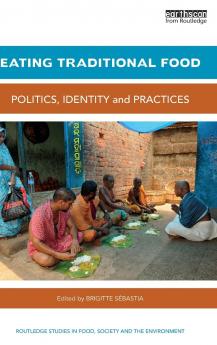
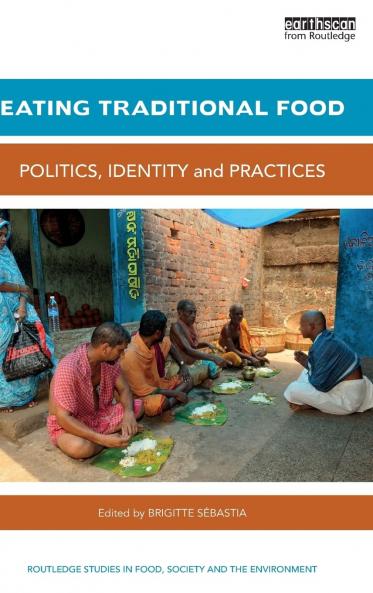
<p>Due to its centrality in human activities food is a meaningful object that necessarily participates in any cultural social and ideological construction and its qualification as 'traditional' is a politically laden value. This book demonstrates that traditionality as attributed to foods goes beyond the notions of heritage and authenticity under which it is commonly formulated. </p><p>Through a series of case studies from a global range of cultural and geographical areas the book explores a variety of contexts to reveal the complexity behind the attribution of the term 'traditional' to food. In particular the volume demonstrates that the definitions put forward by programmes such as TRUEFOOD and EuroFIR (and subsequently adopted by organisations including FAO) which have analysed the perception of traditional foods by individuals do not adequately reflect this complexity. The concept of tradition being deeply ingrained culturally socially politically and ideologically traditional foods resist any single definition. </p><p>Chapters analyse the processes of valorisation instrumentalisation and reinvention at stake in the construction and representation of a food as traditional. Overall the book offers fresh perspectives on topics including definition and regulation nationalism and identity and health and nutrition and will be of interest to students and researchers of many disciplines including anthropology sociology politics and cultural studies. </p>

Piracy-free

Assured Quality

Secure Transactions

Fast Delivery

Sustainably Printed
Details
ISBN 13
9781138187009
Publication Date
-13-10-2016
Pages
-240
Weight
-439 grams
Dimensions
-156x234x14.33 mm
