


This Book is Out of Stock!
English


Hardback
₹24073
(All inclusive*)
Delivery Options
*COD & Shipping Charges may apply on certain items.
Review final details at checkout.
Looking to place a bulk order? SUBMIT DETAILS

Piracy-free

Assured Quality

Secure Transactions
About The Book
Description
Author(s)
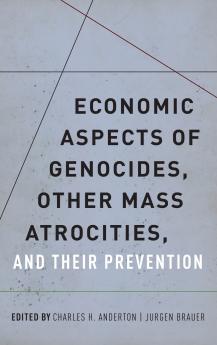
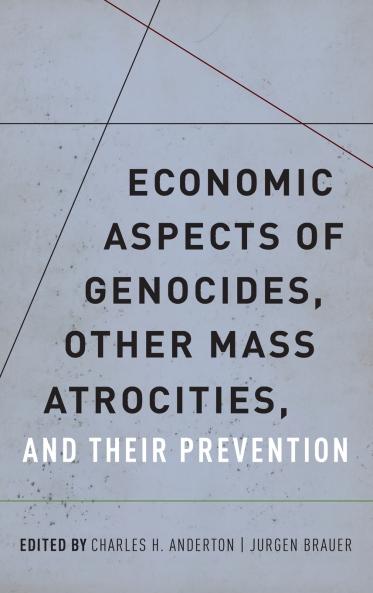
Alongside other types of mass atrocities genocide has received extensive scholarly policy and practitioner attention. Missing however is the contribution of economists to better understand and prevent such crimes. This edited collection by 41 accomplished scholars examines economic aspects of genocides other mass atrocities and their prevention. <p/>Chapters include numerous case studies (e.g. California's Yana people Australia's Aborigines peoples Stalin's killing of Ukrainians Belarus the Holocaust Rwanda DR Congo Indonesia Pakistan Colombia Mexico's drug wars and the targeting of suspects during the Vietnam war) probing literature reviews and completely novel work based on extraordinary country-specific datasets. Also included are chapters on the demographic gendered and economic class nature of genocide. Replete with research- and policy-relevant findings new insights are derived from behavioral economics law and economics political economy macroeconomic modeling microeconomics development economics industrial organization identity economics and other fields. Analytical approaches include constrained optimization theory game theory and sophisticated statistical work in data-mining econometrics and forecasting. <p/>A foremost finding of the book concerns atrocity architects' purposeful strategic use of violence often manipulating nonrational proclivities among ordinary people to sway their participation in mass murder. Relatively understudied in the literature the book also analyzes the options of victims before during and after mass violence. Further the book shows how well-intended prevention efforts can backfire and increase violence how wrong post-genocide design can entrench vested interests to reinforce exclusion of vulnerable peoples and how businesses can become complicit in genocide. In addition to the necessity of healthy opportunities in employment education and key sectors in prevention work the book shows why new genocide prevention laws and institutions must be based on reformulated incentives that consider insights from law and economics behavioral economics and collective action economics.<br>
Piracy-free
Assured Quality
Secure Transactions
*COD & Shipping Charges may apply on certain items.
Review final details at checkout.
₹24073
Out Of Stock
All inclusive*
Details
ISBN 13
9780199378296
Publication Date
-06-06-2016
Pages
-728
Weight
-1108 grams
Dimensions
-156x234x39.69 mm
