

by
John Lok
English


₹518
₹1299
60.12% OFF
(All inclusive*)
Paperback
Delivery Options
Please enter pincode to check delivery time.
*COD & Shipping Charges may apply on certain items.
Review final details at checkout.
Looking to place a bulk order? SUBMIT DETAILS
Delivery Options
Please enter pincode to check delivery time.
*COD & Shipping Charges may apply on certain items.
Review final details at checkout.
About The Book
Description
Author
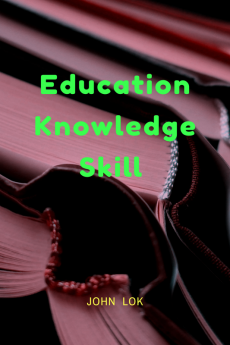
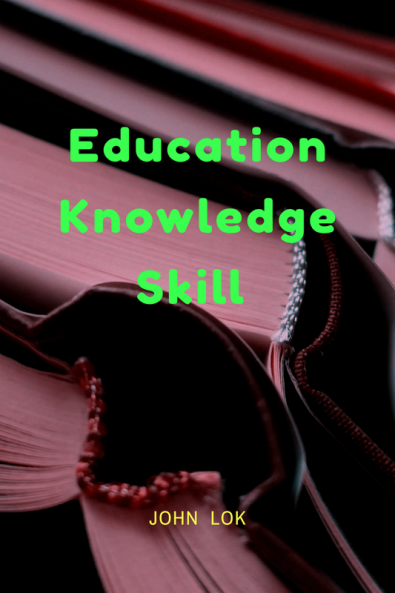
<p>The intersection of education knowledge and skill acquisition is a central theme in the discourse surrounding human capital development.</p><p>In the context of behavioral economics and educational philosophy the transformation of raw potential into refined capability is rarely viewed as a static process.</p><p>Instead it is understood as a dynamic interaction between an individual's environment and their deliberate engagement with learning materials. Education functions as a catalyst that bridges the gap between innate potential and realized skill by providing the structural environment necessary for cognitive development. Rather than viewing talent as a fixed immutable trait modern behavioral perspectives-often echoed in works concerning the philosophy of education-suggest that talent is highly malleable.</p>

Piracy-free

Assured Quality

Secure Transactions

Fast Delivery

Sustainably Printed
Details
ISBN 13
9798887728353
Publication Date
-03-08-2022
Pages
-374
Weight
-375 grams
Dimensions
-127x203.2x20.66 mm
