

English


Paperback
₹5896
₹7535
21.75% OFF
(All inclusive*)
Delivery Options
Please enter pincode to check delivery time.
*COD & Shipping Charges may apply on certain items.
Review final details at checkout.
Looking to place a bulk order? SUBMIT DETAILS

Piracy-free

Assured Quality

Secure Transactions
About The Book
Description
Author
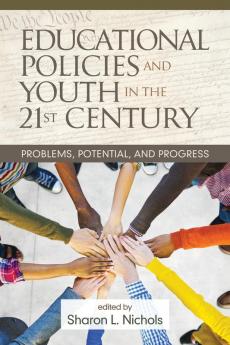
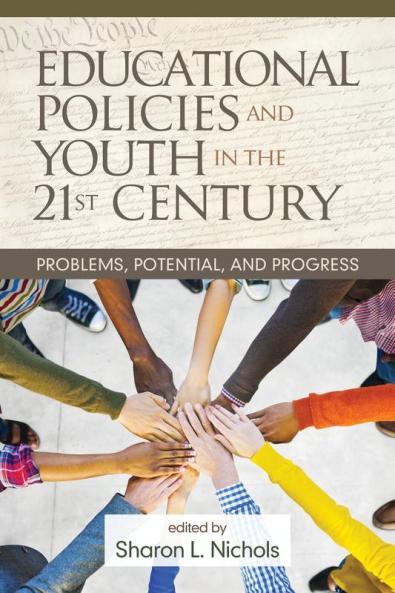
<p>As our student population diversifies rapidly there is a critical need to better understand<br />how national regional and/or local policies impact youth in school settings. In many cases<br />educational policies constructed with the goal of helping youth often have the unintended<br />consequence of inhibiting youth&rsquo;s potential. This is especially the case when it comes to<br />youth from historically underrepresented groups. Over and over educational legislation<br />aimed at improving life for youth has had the negative effect of eroding opportunities for<br />our most vulnerable and often times less visible youth.<br />The authors of this book examine the schooling experiences of Hispanic African American Indigenous poor and LGBT<br />youth groups as a way to spotlight the marginalizing and shortsighted effects of national education language<br />immigration and school reform policies. Leading authors from across the country highlight how educational policies<br />impact youth&rsquo;s development and socialization in school contexts. In most cases policies are constructed by adults<br />implemented by adults but are rarely informed by the needs and opinions of youth. Not only are youth not consulted<br />but also policymakers often neglect what we know about the psychological emotional and educational health of<br />youth. Therefore both the short and long term impact of these policies have but<br />limited effects on improving students&rsquo; school performance or personal health<br />issues such as depression or suicide.<br />In highlighting the demographic and cultural shifts of the 21st century this book<br />provides a compelling case for policymakers and their constituents to become<br />more sensitive to the diverse needs of our changing student population and to<br />advocate for policies that better serve them.</p>
Piracy-free
Assured Quality
Secure Transactions
Delivery Options
Please enter pincode to check delivery time.
*COD & Shipping Charges may apply on certain items.
Review final details at checkout.
Details
ISBN 13
9781681235295
Publication Date
-28-07-2016
Pages
-222
Weight
-322 grams
Dimensions
-156x234x11.9 mm
