

English


₹10633
₹14024
24.18% OFF
(All inclusive*)
Paperback
Delivery Options
Please enter pincode to check delivery time.
*COD & Shipping Charges may apply on certain items.
Review final details at checkout.
Looking to place a bulk order? SUBMIT DETAILS
Delivery Options
Please enter pincode to check delivery time.
*COD & Shipping Charges may apply on certain items.
Review final details at checkout.
About The Book
Description
Author(s)
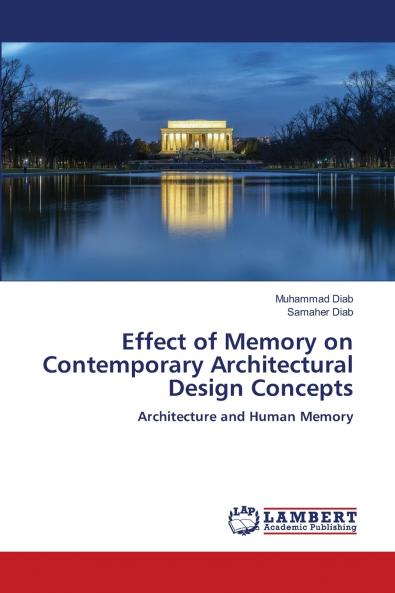
Memory is a vital force in architecture shaping creativity identity and spatial experience. It acts not only as a mental archive but as an active design tool. From Frank Lloyd Wright's flowing forms to Daniel Libeskind's symbolic structures memory has inspired architectural innovations rooted in personal and collective histories. Architects often draw on cultural traditions and personal experiences to create meaningful spaces that connect past and present. Case studies like the Jewish Museum in Berlin and the Museum of Islamic Art in Doha show how memory can inform spatial design material choices and symbolism. This research explores how memory bridges heritage and innovation turning buildings into living archives that reflect cultural values emotions and narratives. Architecture becomes not only a shelter but also a vessel for preserving human experience.

Piracy-free

Assured Quality

Secure Transactions

Fast Delivery

Sustainably Printed
Details
ISBN 13
9786207462940
Publication Date
-10-07-2025
Pages
-164
Weight
-231 grams
Dimensions
-152x229x9.63 mm
