

English


Paperback
₹1935
₹2098
7.77% OFF
(All inclusive*)
Delivery Options
Please enter pincode to check delivery time.
*COD & Shipping Charges may apply on certain items.
Review final details at checkout.
Looking to place a bulk order? SUBMIT DETAILS

Piracy-free

Assured Quality

Secure Transactions
About The Book
Description
Author
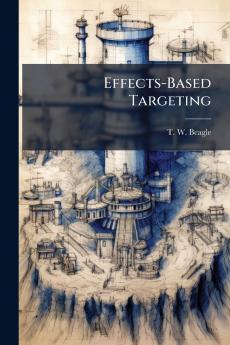
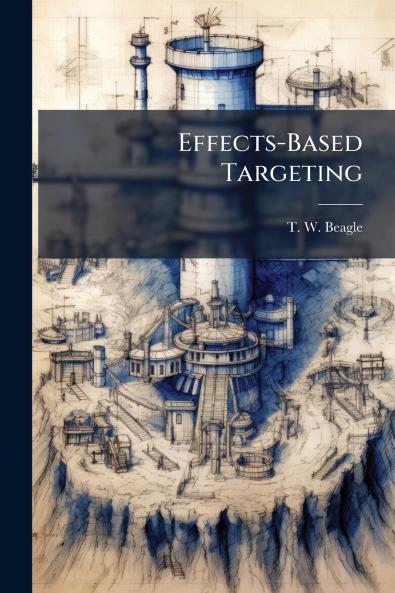
<p>What is effects-based targeting and from where did this concept come? Is it based on a coherent theory and if so has the US Air Force incorporated it in its doctrine and operations? Is there more yet to do? These questions form both the focus and format of this study which examines the evolution of effects-based targeting. Specifically this paper asks how effectively has the US Air Force incorporated the concept of effects-based operations into its procedures for targeting and combat assessment. To answer this question the study defines effects-based targeting asserting that commanders should direct airpower against targets in ways that produce specific predetermined military and political effects. The study explores the historical development of effects-based targeting theory and then conducts a focused comparison of four major air operations-Pointblank Linebacker II Desert Storm and Allied Force-in order to survey US airpower's actual combat experience with regard to effects-based operations. This study determines that senior decision makers have always been interested in creating specific effects rather than simply destroying targets; however as a whole the USAF has been inconsistent in employing effects-based operations across the spectrum of conflict. American airpower has accomplished its most significant improvements at the tactical level of war but is less reliable in creating operational and strategic effects. In a similar vein airpower has become very effective at producing direct physical effects and it is becoming increasingly capable of creating certain widespread systemic effects. Generally though the ability to even predict much less generate specific psychological effects remains yet a hope and may in fact act as a virtual ceiling on the potential of effects-based operations.</p><p>This work has been selected by scholars as being culturally important and is part of the knowledge base of civilization as we know it. This work was reproduced from the original artifact and remains as true to the original work as possible. Therefore you will see the original copyright references library stamps (as most of these works have been housed in our most important libraries around the world) and other notations in the work.</p><p>This work is in the public domain in the United States of America and possibly other nations. Within the United States you may freely copy and distribute this work as no entity (individual or corporate) has a copyright on the body of the work.</p><p>As a reproduction of a historical artifact this work may contain missing or blurred pages poor pictures errant marks etc. Scholars believe and we concur that this work is important enough to be preserved reproduced and made generally available to the public. We appreciate your support of the preservation process and thank you for being an important part of keeping this knowledge alive and relevant.</p>
Piracy-free
Assured Quality
Secure Transactions
Delivery Options
Please enter pincode to check delivery time.
*COD & Shipping Charges may apply on certain items.
Review final details at checkout.
Details
ISBN 13
9781288306169
Publication Date
-16-11-2012
Pages
-128
Weight
-193 grams
Dimensions
-156x234x7.05 mm
