


English




Paperback
₹998
₹1020
2.16% OFF
(All inclusive*)
Delivery Options
Please enter pincode to check delivery time.
*COD & Shipping Charges may apply on certain items.
Review final details at checkout.
Looking to place a bulk order? SUBMIT DETAILS

Piracy-free

Assured Quality

Secure Transactions
About The Book
Description
Author
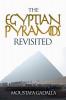
<p>A complete handbook about the pyramids of Ancient Egypt during the Pyramid Age. It contains: the locations and dimensions of interiors and exteriors of the pyramids; the history and builders of the pyramids; theories of construction; theories on their purpose and function; the sacred geometry that was incorporated into the design of the pyramids; and much much more.<br><br>This Expanded Edition of the book consists of fully illustrated seven Parts with a total of 18 Chapters as well as one Appendix.<br><br>Part I: Overview consists of two chapters 1 and 2 as follows:<br>Chapter 1: The Background provides a short opening statement about the common theories and the counterpoints based on actual facts.<br><br>Chapter 2: The Genuine Masonry Pyramids provides a list of the Egyptian pyramids that were built during the Fourth dynasty about 4500 years ago.<br><br>Part II: Pyramids versus Tombs consists of two chapters 3 and 4 as follows:<br>Chapter 3: Stepped Pyramid of Zoser covers details of its super-structure and its underground chambers.<br><br>Chapter 4: The Fictional Tombs covers the details of a typical Ancient Egyptian tomb and how totally different from the interiors of the Egyptian masonry pyramids of the Fourth Dynasty.<br><br>Part III: Pyramids -- Functions &amp; Forms consists of two chapters 5 and 6 as follows:<br>Chapter 5: The Pyramid Complex shows how the Egyptian pyramid was a component of a complex that was connected to other temples; and the differences in functions and forms between a pyramid and a temple; as well as the energetic proportioning of such structures.<br><br>Chapter 6: Pyramid Power covers the form variations of the Egyptian masonry pyramids; and how such forms attract maintain and channel cosmic energies.<br><br>Part IV: Pyramid Construction Techniques consists of two chapters 7 and 8 as follows:<br><br>Chapter 7: The Flawed Common Theorycovers the details of the Common 'Theory; the unidentified source of quarried blocks ; the impossibilities of cutting and shaping the pyramid blocks; the impossible logistics of fabricated ramps' theory; the convenietly ignored three immense Pyramids of Snefru; and a summation refuting the western-made Common Theory<br><br>Chapter 8: The Material Facts covers Herodotus accounts of pyramid construction; Egyptian molding techniques ; the differences between synthetic and natural blocks; the various types of synthetic concrete blocks; the unique qualities of the pyramids'casing stones; additional evidential facts of synthetic pyramid blocks; as well as bringing to light the even more outstanding details of the earlier incredible masonry works of Saqqara<br><br>Part V:The Three Snefru Pyramids consists of three chapters 9 through 11 as follows:<br><br>Chapter 9: Snefru's Meidum Pyramid covers its detailed exteriors and interiors.<br><br>Chapter 10: Snefru's Bent Pyramid covers its detailed exteriors and interiors.<br><br>Chapter 11: Snefru's Red Pyramid covers its detailed exteriors and interiors.<br><br>Part VI: The Three Pyramids of Giza consists of four chapters 12 through 15 as follows:<br><br>Chapter 12: The Giza Plateau provides an overall diagram of the main points of interest in the Giza Plateau<br><br>Chapter 13: Khufu's Great Pyramid covers its detailed exteriors and interiors.<br><br>Chapter 14: Khafra's Pyramid covers its detailed exteriors and interiors.<br><br>Chapter 15: Menkaura's Pyramid covers its detailed exteriors and interiors.<br><br>Part VII: After The Pyramids consists three chapters 16 through 18 as follows;<br>Chapter 16: Mission Accomplished concludes the Egyptians' objectives of building the pyramids<br><br>Chapter 17: Pyramid Texts covers the origin of such incorrectly western characterization of such texts.<br><br>Chapter 18: The Greatest Pharaohs That Followed provides accounts of subsequent more powerful and great builders who never built a pyramid because th...</p>
Piracy-free
Assured Quality
Secure Transactions
Delivery Options
Please enter pincode to check delivery time.
*COD & Shipping Charges may apply on certain items.
Review final details at checkout.
Details
ISBN 13
9798224627721
Publication Date
-25-04-2017
Pages
-150
Weight
-213 grams
Dimensions
-152x229x8.16 mm
