

English


Paperback
₹3775
(All inclusive*)
Delivery Options
Please enter pincode to check delivery time.
*COD & Shipping Charges may apply on certain items.
Review final details at checkout.
Looking to place a bulk order? SUBMIT DETAILS
Delivery Options
Please enter pincode to check delivery time.
*COD & Shipping Charges may apply on certain items.
Review final details at checkout.
About The Book
Description
Author
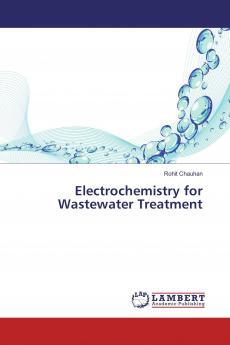
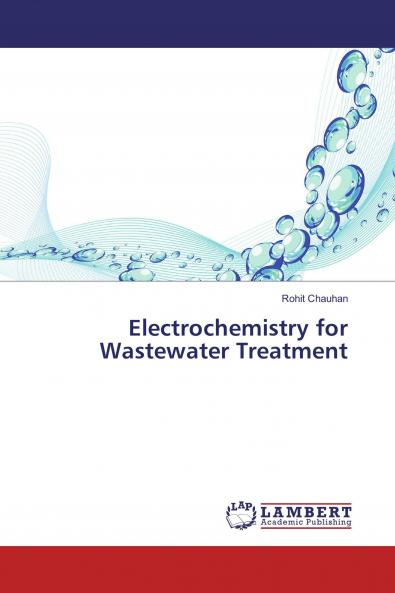
Electrochemical oxidation(EC) treatment of 4-chlorophenol was investigated by using a dimensionally stable anode ruthenium oxide coated titanium. COD absorbance concentration current efficiency (CE) and specific energy consumption (SEC) were measured under various process conditions of current density (j) electrolyte concentration (m) initial pH treatment time (t) and initial concentration of CP. EC oxidation of organics recommended that the development of the anode could be credited to the formation of hydroxyl radicals in wet anodic electrolysis. A number of intermediates like benzoquinone hydroquinone and organic acids during the EC oxidation of CP. Reaction kinetics were expressed by pseudo-first order kinetic model. Feasible mechanism of CP degradation has been established on the basis of both direct and indirect EC oxidation. This method produces very low or no amount of sludge and scum because EC oxidation was performed by electrons which is well known as a clean reagent.

Piracy-free

Assured Quality

Secure Transactions

Fast Delivery

Sustainably Printed
Details
ISBN 13
9783330078710
Publication Date
-25-04-2017
Pages
-76
Weight
-111 grams
Dimensions
-150x220x4.5 mm
