


English



Paperback
₹1694
₹1866
9.22% OFF
(All inclusive*)
Delivery Options
Please enter pincode to check delivery time.
*COD & Shipping Charges may apply on certain items.
Review final details at checkout.
Looking to place a bulk order? SUBMIT DETAILS
Delivery Options
Please enter pincode to check delivery time.
*COD & Shipping Charges may apply on certain items.
Review final details at checkout.
About The Book
Description
Author
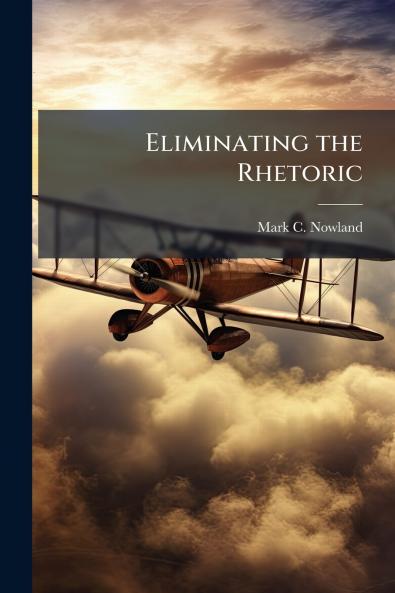
<p>The purpose of this study is to identify criteria that will provide objective analysis of a halt-phase strategy. This study identifies the key criteria by examining air combat in three operations: the Battle of Bismarck Sea the 1973 Golan Heights battles of the Yom Kippur War and the Iraqi Republican Guard escape from Basra. This examination focuses on air operations looking for tactics tactical innovations and operational circumstances that inhibit or enhance air operations designed to halt the advance or retreat of significant ground formations. This study evaluates each case in three major phases: prehostility preparation conduct of combat operations and the results and analysis of the operation. Prehostility preparation specifically examines the doctrine organization equipment and technology and the training of friendly forces. The conduct of operations phase explores the contextual elements including a summary of the operation and investigates intelligence command and control (C 2 ) and logistical factors. The results of each case are analyzed to discover factors that contribute positively negatively or not significantly to the outcome of the operation. Each case study's unique circumstances shaped the result; however the criteria of organization and training appear dominant with C 2 doctrine and technology being recurrent in allowing air forces to halt an enemy surface force. The specific context of the battle the intelligence preparation and logistics of each conflict cannot be ignored but were not determined as recurrent factors in all three case studies although intelligence was significant in the Bismarck Sea. This study concludes with three major lessons.</p><p>This work has been selected by scholars as being culturally important and is part of the knowledge base of civilization as we know it. This work was reproduced from the original artifact and remains as true to the original work as possible. Therefore you will see the original copyright references library stamps (as most of these works have been housed in our most important libraries around the world) and other notations in the work.</p><p>This work is in the public domain in the United States of America and possibly other nations. Within the United States you may freely copy and distribute this work as no entity (individual or corporate) has a copyright on the body of the work.</p><p>As a reproduction of a historical artifact this work may contain missing or blurred pages poor pictures errant marks etc. Scholars believe and we concur that this work is important enough to be preserved reproduced and made generally available to the public. We appreciate your support of the preservation process and thank you for being an important part of keeping this knowledge alive and relevant.</p>

Piracy-free

Assured Quality

Secure Transactions

Fast Delivery

Sustainably Printed
Details
ISBN 13
9781288290246
Publication Date
-13-11-2012
Pages
-84
Weight
-133 grams
Dimensions
-156x234x4.52 mm
