

English


Hardback
₹12891
₹16289
20.86% OFF
(All inclusive*)
Delivery Options
Please enter pincode to check delivery time.
*COD & Shipping Charges may apply on certain items.
Review final details at checkout.
Looking to place a bulk order? SUBMIT DETAILS
Delivery Options
Please enter pincode to check delivery time.
*COD & Shipping Charges may apply on certain items.
Review final details at checkout.
About The Book
Description
Author(s)
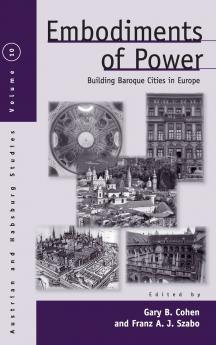
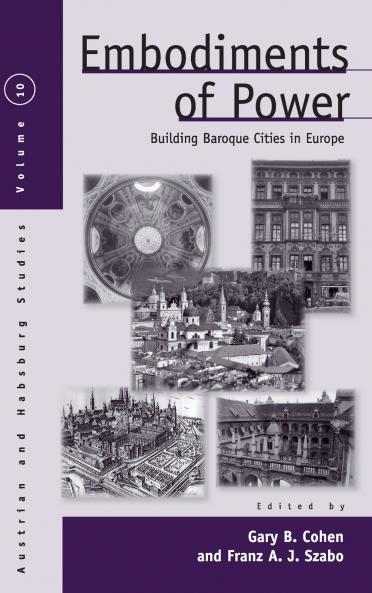
<p> The period of the baroque (late sixteenth to mid-eighteenth centuries) saw extensive reconfiguration of European cities and their public spaces. Yet this transformation cannot be limited merely to signifying a style of art architecture and decor. Rather the dynamism emotionality and potential for grandeur that were inherent in the baroque style developed in close interaction with the need and desire of post-Reformation Europeans to find visual expression for the new political confessional and societal realities. Highly illustrated this volume examines these complex interrelationships among architecture and art power religion and society from a wide range of viewpoints and localities. From Krakow to Madrid and from Naples to Dresden cities were reconfigured visually as well as politically and socially. Power in both its political and architectural guises had to be negotiated among constituents ranging from monarchs and high churchmen to ordinary citizens. Within this process both rulers and ruled were transformed: Europe left behind the last vestiges of the medieval and arrived on the threshold of the modern.</p>

Piracy-free

Assured Quality

Secure Transactions

Fast Delivery

Sustainably Printed
Details
ISBN 13
9781845454333
Publication Date
-01-07-2008
Pages
-302
Weight
-500 grams
Dimensions
-152x229x17.46 mm
