

English


Paperback
₹8641
(All inclusive*)
Delivery Options
Please enter pincode to check delivery time.
*COD & Shipping Charges may apply on certain items.
Review final details at checkout.
Looking to place a bulk order? SUBMIT DETAILS
Delivery Options
Please enter pincode to check delivery time.
*COD & Shipping Charges may apply on certain items.
Review final details at checkout.
About The Book
Description
Author
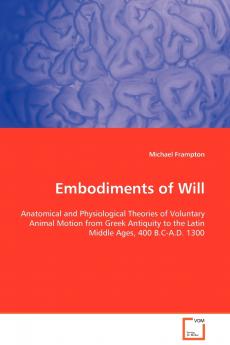
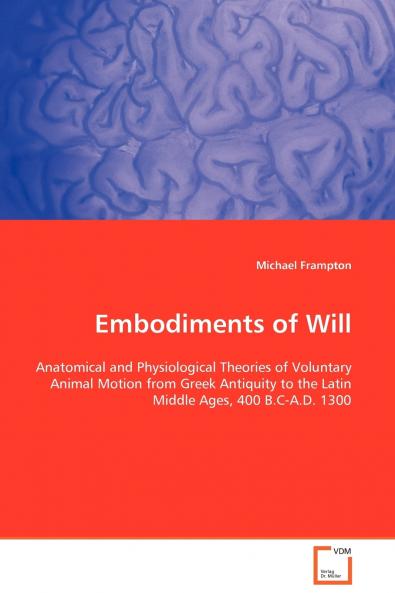
This book examines the two chief anatomical and physiological embodiment theories of voluntary animal motion which I call the cardiosinew and cerebroneuromuscular theories of motion from the time of Aristotle (384-322 B.C.) to that of Mondino (d. A.D. 1326). The study of animal motion commenced with the ancient Greek natural scientist Aristotle who wrote the monograph 'On the motion of animals' (De motu animalium). Subsequent inquiries into voluntary animal motion may be found in a variety of Greek Latin and Arabic compendia commentaries and encyclopedias throughout the ancient and medieval periods. The motion of animals was considered relevant to natural philosophers and theologians investigating the nature of the soul and to physicians seeking to discover the causes of disorders of voluntary movement such as epilepsy and tetany. The book fills a gap in the scholarly literature concerned with pre-modern studies of the anatomical and physiological mechanisms of will and bodily movement. The accompanying photographs of my own anatomical dissections illuminate ancient and medieval conceptual empirical and experimental methods of anatomical and physiological research.

Piracy-free

Assured Quality

Secure Transactions

Fast Delivery

Sustainably Printed
Details
ISBN 13
9783639082944
Publication Date
-04-12-2008
Pages
-660
Weight
-880 grams
Dimensions
-150x220x34.51 mm
