

English


₹13865
₹16967
18.28% OFF
(All inclusive*)
Hardback
Delivery Options
Please enter pincode to check delivery time.
*COD & Shipping Charges may apply on certain items.
Review final details at checkout.
Looking to place a bulk order? SUBMIT DETAILS
Delivery Options
Please enter pincode to check delivery time.
*COD & Shipping Charges may apply on certain items.
Review final details at checkout.
About The Book
Description
Author
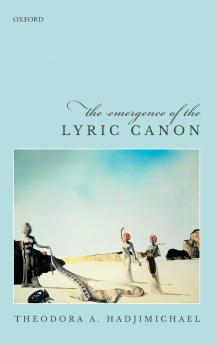
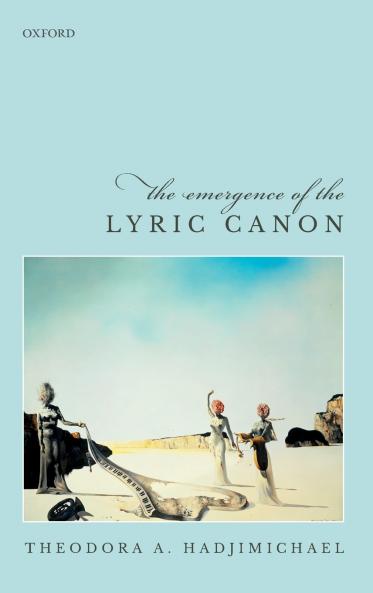
The Hellenistic period was an era of literary canons of privileged texts and collections. One of the most stable of these consisted of the nine (rarely ten) lyric poets: whether the selection was based on poetic quality popularity or the availability of texts in the Library of Alexandria the Lyric Canon offers a valuable and revealing window on the reception and survival of lyric in antiquity. This volume explores the complexities inherent in the process by which lyric poetry was canonized and discusses questions connected with the textual transmission and preservation of lyric poems from the archaic period through to the Hellenistic era. It firstly contextualizes lyric poetry geographically and then focuses on a broad range of sources that played a critical role in the survival of lyric poetry - in particular comedy Plato Aristotle''s Peripatetic school and the Hellenistic scholars - to discuss the reception of the nine canonical lyric poets and their work. By exploring the ways in which fifth- and fourth-century sources interpreted lyric material and the role they played both in the scholarly work of the Alexandrians and in the creation of what we conventionally call the Hellenistic Lyric Canon it elucidates what can be defined as the prevailing pattern in the transmission of lyric poetry as well as the place of Bacchylides as a puzzling exception to this norm. The overall discussion conclusively demonstrates that the canonizing process of the lyric poets was already at work from the fifth century BC and that it is reflected both in the evaluation of lyric by fourth-century thinkers and in the activities of the Hellenistic scholars in the Library of Alexandria.

Piracy-free

Assured Quality

Secure Transactions

Fast Delivery

Sustainably Printed
Details
ISBN 13
9780198810865
Publication Date
-02-05-2019
Pages
-354
Weight
-595 grams
Dimensions
-156x234x20.64 mm
