

English


₹18208
₹21163
13.96% OFF
(All inclusive*)
Hardback
Delivery Options
Please enter pincode to check delivery time.
*COD & Shipping Charges may apply on certain items.
Review final details at checkout.
Looking to place a bulk order? SUBMIT DETAILS
Delivery Options
Please enter pincode to check delivery time.
*COD & Shipping Charges may apply on certain items.
Review final details at checkout.
About The Book
Description
Author
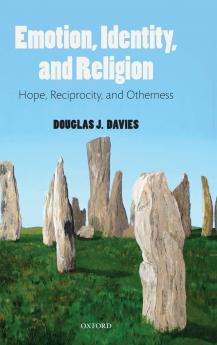
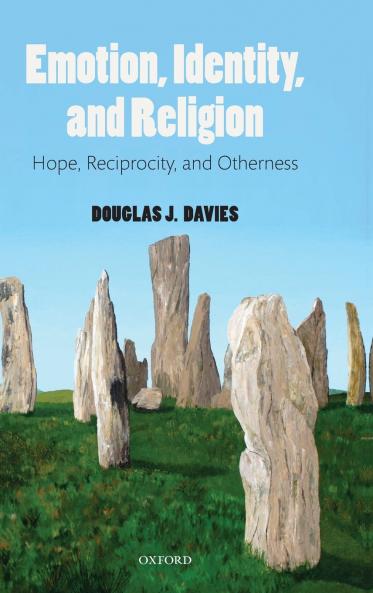
Deep emotions pervade our human lives and ongoing moods echo them. Religious traditions often shape these and give devotees a sense of identity in a hopeful and meaningful life despite the conflicts confusion pain and grief of existence. Driven by anthropological and sociological perspectives Douglas J. Davies describes and analyses these dynamic tensions and life opportunities as they are worked out in ritual music theology and the allure of sacred places. Davies brings some newer concepts to these familiar ideas such as ''the humility response'' and ''moral-somatic'' processes revealing how our sense of ourselves responds to how we are treated by others as when injustice makes us ''feel sick'' or religious ideas of grace prompt joyfulness. This sense of embodied identity is shown to be influenced not only by ''reciprocity'' in the many forms of exchange gifts merit and actions of others but also by a certain sense of ''otherness whether in God ancestors supernatural forces or even a certain awareness of ourselves. Drawing from psychological studies of how our thinking processes engage with the worlds around us we see how difficult it is to separate out ''religious'' activity from many other aspects of human response to our environment. Throughout these pages many examples are taken from the well-known religions of the world as well as from local and secular traditions.

Piracy-free

Assured Quality

Secure Transactions

Fast Delivery

Sustainably Printed
Details
ISBN 13
9780199551521
Publication Date
-10-03-2011
Pages
-334
Weight
-568 grams
Dimensions
-156x234x19.05 mm
