

English


Paperback
₹5772
(All inclusive*)
Delivery Options
Please enter pincode to check delivery time.
*COD & Shipping Charges may apply on certain items.
Review final details at checkout.
Looking to place a bulk order? SUBMIT DETAILS
Delivery Options
Please enter pincode to check delivery time.
*COD & Shipping Charges may apply on certain items.
Review final details at checkout.
About The Book
Description
Author
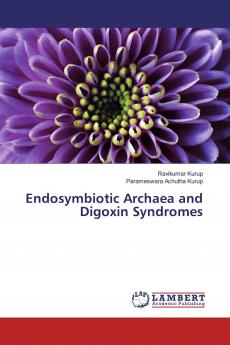
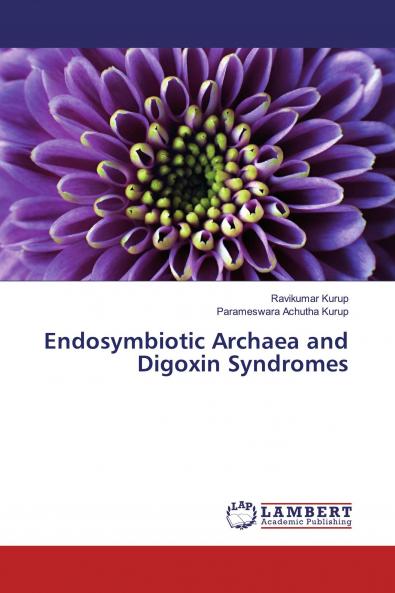
The climate change results in endosymbiotic actinidic archaeal growth in the human system and cholesterol catabolism resulting in endogenous digoxin synthesis. The endosymbiotic archaea catabolize cholesterol for its energetics and synthesizes digoxin. Digoxin functions as an endogenous sodium potassium ATPase inhibitor and neuro-immuno-endocrine integrator. The increased endosymbiotic archaeal growth and resultant endogenous digoxin synthesis in relation to climate change results in neanderthalisation of homo sapiens and human disease. Digoxin can inhibit reverse transcriptase activity and RNA editing resulting in suppression of endogenous retroviral growth. This produces inhibition of HERV expression and jumping gene phenomena producing in adynamicity of the human genome. The digoxin interference with HERV expression and RNA editing and resultant inhibition of genomic metabolic neural and immune diversity produces autoimmune disease cancer metabolic syndrome degenerations schizophrenia and autism. A new endosymbiotic archaea related hypodigoxinemic and hyperdigoxinemic syndrome is described.

Piracy-free

Assured Quality

Secure Transactions

Fast Delivery

Sustainably Printed
Details
ISBN 13
9786139461110
Publication Date
-07-03-2019
Pages
-96
Weight
-136 grams
Dimensions
-150x220x5.53 mm
