

English


Paperback
₹5346
(All inclusive*)
Delivery Options
Please enter pincode to check delivery time.
*COD & Shipping Charges may apply on certain items.
Review final details at checkout.
Looking to place a bulk order? SUBMIT DETAILS
Delivery Options
Please enter pincode to check delivery time.
*COD & Shipping Charges may apply on certain items.
Review final details at checkout.
About The Book
Description
Author
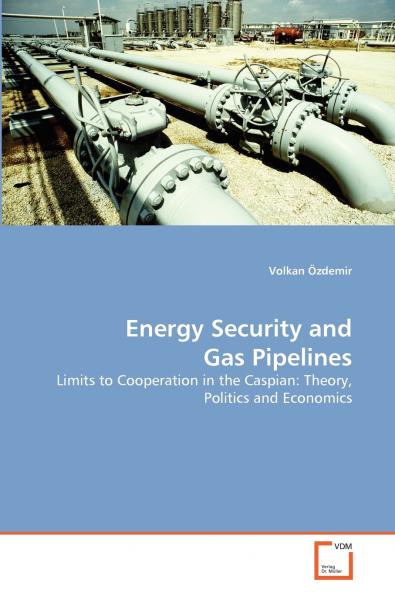
Two mainstream theories of international relations Neo-liberalism and Neo-realism have different perspectives on what are the incentives and limits for cooperation? Neo-liberalism argues that states tend to cooperate when they see the opportunity to maximize their absolute gains from cooperation. Whereas for the Neo-realist school state concerns about the relative gains of others limit cooperation. Using the great power rivalry for control of natural gas pipelines in the Caspian as a case study we try to explain why the energy cooperation failed between the US and Russia in the west of the Caspian in a two actor game. Nevertheless in the east of the CaspianChina's involvement changes the structure of the game. Relative gains as a barrier to cooperation is no longer an explanatory factor for geo-strategic rivalry between the US Russia and China over transportation and consumption of east Caspian natural gas as China is the game changer. This analysis should be very useful for those who aim to understand the energy security within theoretical framework and especially for proffessionals who are interested in Eurasian energy development scenerios by focusing on gas business.

Piracy-free

Assured Quality

Secure Transactions

Fast Delivery

Sustainably Printed
Details
ISBN 13
9783639379792
Publication Date
-26-08-2011
Pages
-64
Weight
-101 grams
Dimensions
-150x220x3.89 mm
