


English



Paperback
₹1770
₹1773
0.17% OFF
(All inclusive*)
Delivery Options
Please enter pincode to check delivery time.
*COD & Shipping Charges may apply on certain items.
Review final details at checkout.
Looking to place a bulk order? SUBMIT DETAILS
Delivery Options
Please enter pincode to check delivery time.
*COD & Shipping Charges may apply on certain items.
Review final details at checkout.
About The Book
Description
Author
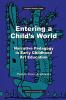
<p>Drawing inspiration from the mobiles of artist Alexander Calder Pamela Krakowski explores the challenges of balancing her normative and narrative pedagogical aims. As Dr. Krakowski recounts <span style=color: rgba(0 0 10 1)>When I first began thinking about normative and narrative pedagogies I bordered on presenting a false dichotomy between the two. Over time however I began to see a dynamic tension between them because I value </span><em style=color: rgba(0 0 10 1)>both</em><span style=color: rgba(0 0 10 1)> the narrative and the normative. What my students have to say is important and I have a body of knowledge skills and concepts that I believe are important for them to learn. </span></p><p><span style=color: rgba(0 0 10 1)>&nbsp;</span></p><p><span style=color: rgba(0 0 10 1)>Throughout the book Dr. Krakowski explores narrative sensibilities that allow her to listen to her students' thoughts feelings interests and concerns. With curiosity caring and respect she is able to enter the children's worlds of imagination and play interweaving lessons of art and art-making into what matters most to her young students. </span></p><p><br></p><p><span style=color: rgba(0 0 10 1)>The book explores teaching art in both the classroom and museum setting and in a year-long collaboration with a science teacher. </span></p><p><span style=color: rgba(0 0 10 1)>&nbsp;</span></p><p><br></p><p>&nbsp;&nbsp;</p>

Piracy-free

Assured Quality

Secure Transactions

Fast Delivery

Sustainably Printed
Details
ISBN 13
9798986080017
Publication Date
-31-12-2022
Pages
-196
Weight
-273 grams
Dimensions
-152x229x10.56 mm
