


English



Paperback
₹4670
₹5840
20.03% OFF
(All inclusive*)
Delivery Options
Please enter pincode to check delivery time.
*COD & Shipping Charges may apply on certain items.
Review final details at checkout.
Looking to place a bulk order? SUBMIT DETAILS

Piracy-free

Assured Quality

Secure Transactions
About The Book
Description
Author
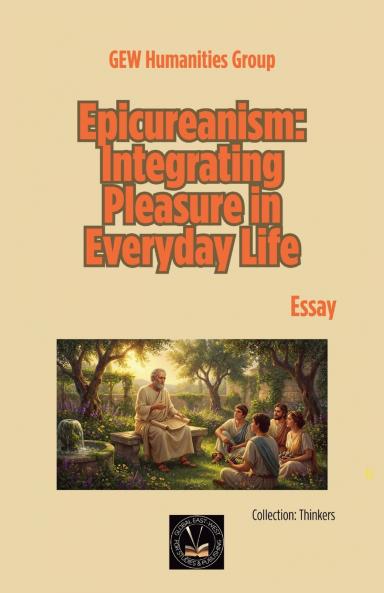
<p><strong>The Philosophy of Peace: Ancient Wisdom for Modern Tranquillity</strong></p><p><br>Imagine a philosophy so misunderstood that its name became synonymous with the very opposite of its teachings. Epicureanism has suffered this fate for over two millennia-until now.</p><p><em>Epicureanism: Integrating Pleasure in Everyday Life</em> offers a comprehensive rehabilitation of one of history's most influential yet misrepresented philosophical traditions. Drawing from careful scholarship and accessible prose this volume reveals how Epicurus's teachings on pleasure friendship and tranquillity provide a roadmap for flourishing in any era.</p><p><strong>Journey Through Ten Essential Chapters:</strong></p><p>From The Misunderstood Hedonist to The Modern Garden this book systematically dismantles misconceptions while building a complete understanding of Epicurean philosophy.</p><p>You'll explore how Epicureanism became confused with debauchery-largely through Roman misinterpretation and hostile propaganda from rival schools. The reality? Epicurus advocated for moderation prudence and the intelligent pursuit of pleasure defined as freedom from fear and pain.</p><p><strong>Core Philosophical Insights:</strong></p><p>The book illuminates Epicurus's sophisticated ethical framework including his crucial distinction between kinetic pleasures (transitory sensory amusements) and katastematic pleasures (the lasting peace that comes from satisfying natural necessary needs). This isn't hedonism as popularly understood-it's a carefully reasoned approach to sustainable wellbeing.</p><p>Discover ataraxia: the state of profound tranquillity that Epicurus identified as the ultimate ideal achievable through living modestly in harmony with nature. Learn the four-part cure that addresses humanity's deepest anxieties. Understand why Epicurus founded the Garden-a radical community that welcomed women enslaved people and outcasts in democratic fellowship.</p><p><strong>Philosophical Context and Comparison:</strong></p><p>The book situates Epicureanism within the broader Hellenistic philosophical landscape particularly comparing it with Stoicism. While Stoics emphasised self-control and endurance Epicureans focused on pleasure as the guide to the good life-but pleasure was understood as tranquilly not excess.</p><p>This false dichotomy between Stoicism and Epicureanism has obscured the latter's sophisticated moral and intellectual system. Both schools offered comprehensive answers to life's fundamental questions; they simply emphasised different paths to human flourishing.</p><p><strong>Contemporary Relevance:</strong></p><p>Why does a 2300-year-old philosophy matter today? Because Epicurus addressed timeless human concerns: anxiety mortality meaning community and happiness. His insights on friendship moderation and mental peace resonate powerfully in our age of excess isolation and perpetual stimulation.</p><p>The final chapter The Modern Garden demonstrates how Epicurean principles can be integrated into contemporary life without retreating from the world.</p><p><strong>Educational and Personal Growth Value:</strong></p><p>Whether you're a philosophy student a general reader interested in ancient wisdom or someone seeking practical guidance for better living this book offers multiple entry points. The clear structure comprehensive content and accessible writing make complex ideas digestible without sacrificing intellectual rigour.</p><p>Part of the GEW Humanities Group's Thinkers collection this volume represents careful scholarship dedicated to making philosophical traditions accessible to modern audiences.</p><p>Rediscover Epicurus. Reclaim pleasure. Cultivate peace.</p>
Piracy-free
Assured Quality
Secure Transactions
Delivery Options
Please enter pincode to check delivery time.
*COD & Shipping Charges may apply on certain items.
Review final details at checkout.
Details
ISBN 13
9798233744679
Publication Date
-21-12-2025
Pages
-206
Weight
-249 grams
Dimensions
-140x216x11.98 mm
