

English


Hardback
₹11459
(All inclusive*)
Delivery Options
Please enter pincode to check delivery time.
*COD & Shipping Charges may apply on certain items.
Review final details at checkout.
Looking to place a bulk order? SUBMIT DETAILS
Delivery Options
Please enter pincode to check delivery time.
*COD & Shipping Charges may apply on certain items.
Review final details at checkout.
About The Book
Description
Author(s)
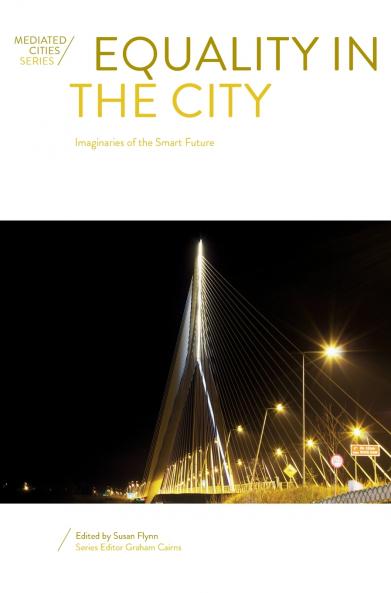
This collection considers the city of the future and its relationship to its citizens. It responds to the foregrounding of digital technologies in the management of urban spaces and addresses some of the ways in which technologies are changing the places in which we live and the way we live in them.A broad range of interdisciplinary contributors reflect on the global agenda of smart cities the ruptures in smart discourse and the spaces where we might envisage a more user-friendly and bottom-up version of the smart future. The authors adopt an equality studies lens to assess how we might conceive of a future smart city and what fissures need to be addressed to ensure the smart future is equitable. In the project of envisaging this they consider various approaches and arguments for equality in the imagined future city putting people at the forefront of our discussions rather than technologies the smart discourse hard data technological solutions global and national policy and macro issues tend to dominate. Here the authors include ethnographic evidence rather than rely on the perspective of the smart technologies’ experts so that the arena for meaningful social development of the smart future can develop.The international contributors respond purposefully to the smart imperative to the disruptive potential of smart technologies in our cities: issues of change design austerity ownership citizenship and equality. The collection examines the pull between equality and engagement in smart futures. To date the topic of smart cities has been approached from the perspective of digital media human geography and information communications technology. This collection however presents a different angle. It seeks to open new discussions about what a smart future could do to bridge divides to look at governmentality in the context of (in)equality in the city. The collection is an approachable discussion of the issues that surround smart digital futures and the imagined digital cities of the future. It is aspirational in that it seeks to imagine a truly egalitarian city of the future and to ponder how that might come about.Primary readership will be academics and students in social science architecture urban planning government employees and those working or studying in social justice and equality studies

Piracy-free

Assured Quality

Secure Transactions

Fast Delivery

Sustainably Printed
Details
ISBN 13
9781789384642
Publication Date
-21-01-2022
Pages
-288
Weight
-574 grams
Dimensions
-170x244x17.46 mm
