

by
Ying Ma
English


₹5411
₹6013
10.01% OFF
(All inclusive*)
Paperback
Delivery Options
Please enter pincode to check delivery time.
*COD & Shipping Charges may apply on certain items.
Review final details at checkout.
Looking to place a bulk order? SUBMIT DETAILS
Delivery Options
Please enter pincode to check delivery time.
*COD & Shipping Charges may apply on certain items.
Review final details at checkout.
About The Book
Description
Author
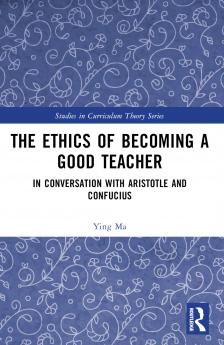
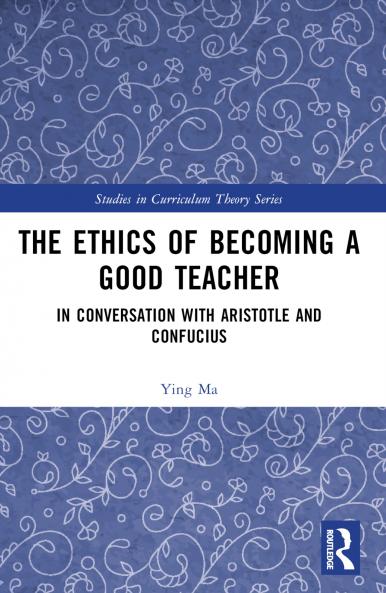
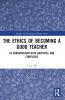
<p>This book explores Aristotelian and Confucian wisdom traditions to understand education and what counts as a good teacher in an embodied dialogic approach. The book creates a dialogue between ancient ideas and the author’s lived experiences as a teacher in cross-cultural landscapes today to ruminate on the important themes of educational purpose teacher excellence teacher-student relationships and teaching skill. It asks fundamental educational questions including Why Do We Educate? <i>Eudaimonia</i> and <i>Dao</i>; What Do We Educate? <i>Phronesis</i> <i>Philia</i> and <i>Ren</i>; and How Do We Educate? <i>Techne</i> and <i>Liuyi</i>. Moving beyond the dominant epistemological concerns such as how to teach more effectively to help students gain better marks in schools it constitutes an ethical inquiry that illuminates the values purposes concerns and hopes that animate genuinely educational work. Using a comparative approach to wisdom traditions from both the East and the West it addresses parochialism and challenges Eurocentric research paradigms. Embedded in the messy ground of teaching in intergenerational and cross-cultural narratives the author’s own experiences as a student/teacher/daughter of a teacher/mother of a student crucially unpacks and concretizes ancient concepts and reactivates them in concrete situations. A sense of a whole without completeness a conception of the good without closure and an aspiration without achievement continue to haunt the search for an ultimate answer to the question what counts as a good teacher?. It will appeal to scholars teachers and teacher educators with an interest in narrative inquiry and educational research as well as those in the field of curriculum studies and the philosophy of education. </p>

Piracy-free

Assured Quality

Secure Transactions

Fast Delivery

Sustainably Printed
Details
ISBN 13
9781032457505
Publication Date
-13-04-2025
Pages
-146
Weight
-208 grams
Dimensions
-151.89x229.11x8.1 mm
