




This Book is Out of Stock!
by
English




Hardback
₹7144
₹8075
11.53% OFF
(All inclusive*)
Delivery Options
*COD & Shipping Charges may apply on certain items.
Review final details at checkout.
Looking to place a bulk order? SUBMIT DETAILS

Piracy-free

Assured Quality

Secure Transactions
About The Book
Description
Author
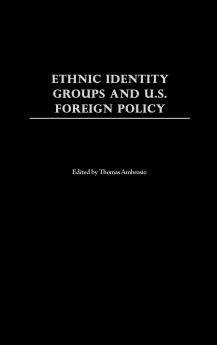
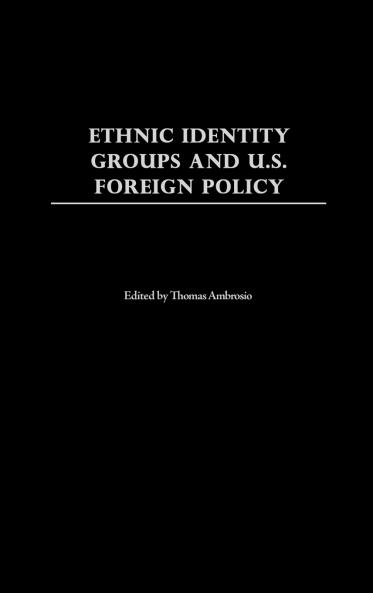
Ethnic identity groups-defined broadly to include ethnic religious linguistic or racial identities-have long played a role in the formulation and implementation of U.S. foreign policy. Yet ethnic group influence increased significantly following the Cold War. Ambrosio and his colleagues provide a unique collection of essays on the relationship between ethnic identity groups and U.S. foreign policy. The book covers a wide range of issues historical periods and geographic regions. Integrated chapters examine four major issues: the traditional (white) role of ethnicity in U.S. foreign policy; ethnic identity group mobilization; newcomers to the foreign policy process; and the complexities of ethnic identity politics.An in-depth literature review is provided as well as an overview of the moral/ethical issues surrounding ethnic group influence on U.S. foreign policy especially after the events of September 11 2001. This volume is designed to spark debate on the theoretical historical and ethical issues of ethnic identity group influence on U.S. foreign policy. As such it will be of special interest to scholars students researchers policymakers and anyone concerned with the making of American foreign policy.
Piracy-free
Assured Quality
Secure Transactions
*COD & Shipping Charges may apply on certain items.
Review final details at checkout.
₹7144
₹8075
11% OFF
Hardback
Out Of Stock
All inclusive*
Details
ISBN 13
9780275975326
Publication Date
-30-11-2002
Pages
-242
Weight
-442 grams
Dimensions
-156x234x14.29 mm
