


This Book is Out of Stock!
English


₹7681
(All inclusive*)
Paperback
Delivery Options
*COD & Shipping Charges may apply on certain items.
Review final details at checkout.
Looking to place a bulk order? SUBMIT DETAILS
*COD & Shipping Charges may apply on certain items.
Review final details at checkout.
₹7681
Out Of Stock
All inclusive*
About The Book
Description
Author
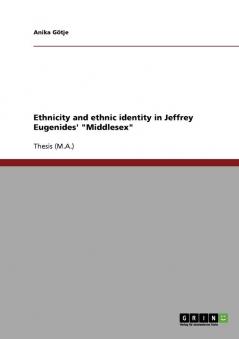
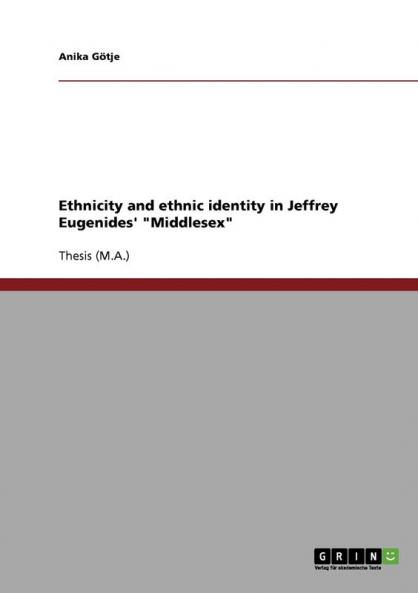
Thesis (M.A.) from the year 2005 in the subject American Studies - Literature grade: 15 University of Hannover (Englisches Seminar) language: English abstract: Instead of investigating the most obvious aspect of the novel namely gender identity this work focuses on the ethnic novel Middlesex with its particular interpretation of ethnicity and ethnic identity. These assumed marginal aspects are of unique importance when it comes to their relationship with the main theme of the book - gender identity. The concept of Greekness in the novel is not just a side effect or accidentally connected to the hermaphrodite story: the connection is clear as the hermaphrodite myth goes back to the Greeks. What Americanness means to the protagonist and the individual characters in the novel; whether they would see themselves as hyphenated Americans or not are questions tangled in this paper. Middlesex is a novel that overflows with different notions of ethnic representation ethnic identity ethnic struggle and self-fashioning. Identity is nothing fixed but always changing as it is subject to choice and self-invention. Eugenides depicts an overarching concept of the new man/woman in the sense that the hermaphrodite Zora's statement 'Because we're what's next.' (552) is the central message.

Piracy-free

Assured Quality

Secure Transactions

Fast Delivery

Sustainably Printed
Details
ISBN 13
9783638714716
Publication Date
-18-08-2007
Pages
-96
Weight
-128 grams
Dimensions
-148x210x5.84 mm
