

English


Hardback
₹7705
(All inclusive*)
Delivery Options
Please enter pincode to check delivery time.
*COD & Shipping Charges may apply on certain items.
Review final details at checkout.
Looking to place a bulk order? SUBMIT DETAILS

Piracy-free

Assured Quality

Secure Transactions
About The Book
Description
Author(s)
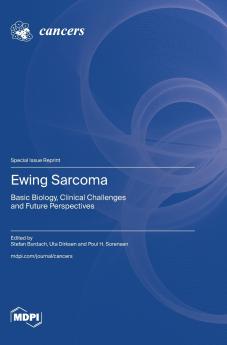
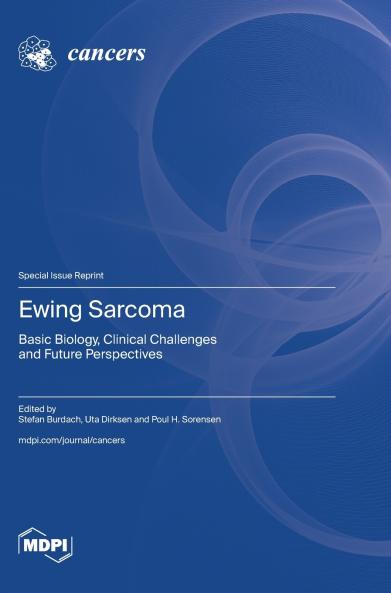
<p>Ewing sarcomas are characterized by oncogenic ews/ets translocations. However these oncofusions do not determine the outcome. Patient fate is determined by metastasis and the complex spreading process is far from being completely understood. Ewing sarcomas are childhood cancers with a low mutational rate making biomarkers elusive. Mutations increase with relapse and mutagenic therapy exposure. A silent tumor genome limits targeted therapy approaches. Nevertheless precision oncology approaches aim to enhance the therapeutic index of conventional chemotherapy with novel small molecules targeting epigenetics metabolism and stress responses. Although their genome is generally silent Ewing sarcomas reactivate endogenous retro-elements. Their activation is linked to an inflammatory response and a prometastatic modulation of the microenvironment. Moreover in most cases these tumors are characterized by a scarcity of T cell infiltrates and a predominance of immunosuppressive myeloid cells leading to inflammation and immunosuppression. These suppressive myeloid cells shield the tumor against adaptive immune attack hampering the efficacy of chimeric antigen receptor or T cell receptor transgenic T cells. Overcoming these immunosuppressive mechanisms may enhance immunotherapeutic efficacy. One approach is the utilization of oncolytic viruses which are genetically engineered to depend on their lytic cycle from metastatic drivers. They can induce immunogenic cell death and particularly when in combination with cell cycle inhibitors also have the potential to overcome barriers to immunotherapy.</p>
Piracy-free
Assured Quality
Secure Transactions
Delivery Options
Please enter pincode to check delivery time.
*COD & Shipping Charges may apply on certain items.
Review final details at checkout.
Details
ISBN 13
9783725834471
Publication Date
-23-05-2025
Pages
-204
Weight
-443 grams
Dimensions
-170x244x17.46 mm
