


This Book is Out of Stock!
English


Hardback
₹6780
₹8075
16.04% OFF
(All inclusive*)
Delivery Options
*COD & Shipping Charges may apply on certain items.
Review final details at checkout.
Looking to place a bulk order? SUBMIT DETAILS

Piracy-free

Assured Quality

Secure Transactions
About The Book
Description
Author(s)
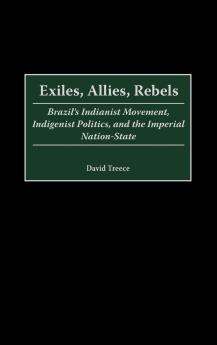
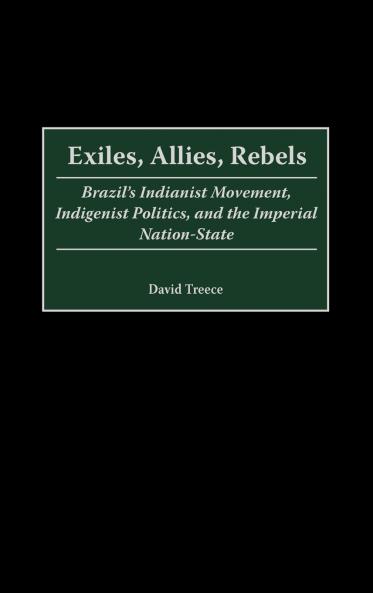
This is the first global study of the single most important intellectual and artistic movement in Brazilian cultural history before Modernism. The Indianist movement under the direct patronage of the Emperor Pedro II was a major pillar of the Empire''s project of state-building involving historians poets playwrights and novelists in the production of a large body of work extending over most of the nineteenth century. Tracing the parallel history of official indigenist policy and Indianist writing Treece reveals the central role of the Indian in constructing the self-image of state and society under Empire. He aims to historicize the movement examining it as a literary phenomenon both with its own invented traditions and myths and standing at the interfaces between culture and politics between the Indian as imaginary and real.As this book demonstrates the Indianist tradition was not merely an example of Romantic exoticism or escapism recycling infinite variations on a single model of the Noble Savage imported from the European imaginary. Instead it was a complex evolving tradition inextricably enmeshed with the contemporary political debates on the status of the indigenous communities and their future within the post-colonial state. These debates raised much wider questions about the legacy of colonial rule-the persistence of authoritarian models of government the social and political marginalization of large numbers of free but landless Brazilians and above all the maintenance of slavery. The Indianist stage offered the Indian alternately as tragic victim and exile as rebel and outlaw as alien to the social pact as mother or protector of the post-colonial Brazilian family or as self-sacrificing ally and voluntary slave.
Piracy-free
Assured Quality
Secure Transactions
*COD & Shipping Charges may apply on certain items.
Review final details at checkout.
₹6780
₹8075
16% OFF
Hardback
Out Of Stock
All inclusive*
Details
ISBN 13
9780313311253
Publication Date
-30-04-2000
Pages
-284
Weight
-499 grams
Dimensions
-156x234x17.46 mm
