

English


Paperback
₹8544
(All inclusive*)
Delivery Options
Please enter pincode to check delivery time.
*COD & Shipping Charges may apply on certain items.
Review final details at checkout.
Looking to place a bulk order? SUBMIT DETAILS
Delivery Options
Please enter pincode to check delivery time.
*COD & Shipping Charges may apply on certain items.
Review final details at checkout.
About The Book
Description
Author
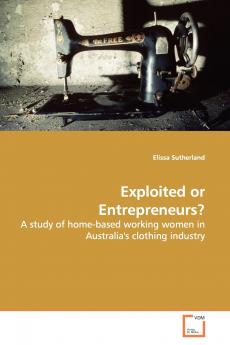
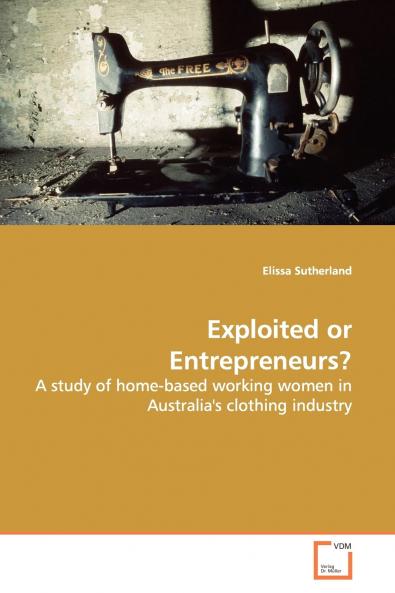
Home-based workers are an ever increasing proportionof the Australian clothing industry's workforce. With decreasing tariff protections and increasingcheap imports of apparel into Australia home-basedworkers offer both competitive labour costs but mostimportantly quick turnaround times. The media andmany academic studies focus on this supply-sidestory of how home-based workers underpin afundamentally transforming industry. This book turnsour attention to the lives of the (mostly) migrantwomen who perform this work. Focusing on a newlycollectivising group of women entrepreneurs andemployees who do industrial sewing in their homesthis study documents a progressive policy shiftthat occurred in Sydney Australia. The workgrapples with the complexities of mounting a case forstate endorsed minimum wage and condition protectionswithout an over-reliance on victimhood storylines. This analysis sheds light on a usually invisiblesubject the home-based worker and should be ofinterest to those organising in the industryfeminist scholars and industry policy analysts.

Piracy-free

Assured Quality

Secure Transactions

Fast Delivery

Sustainably Printed
Details
ISBN 13
9783639145144
Publication Date
-15-04-2009
Pages
-340
Weight
-461 grams
Dimensions
-150x220x18.07 mm
