

English


₹14126
₹17827
20.76% OFF
(All inclusive*)
Hardback
Delivery Options
Please enter pincode to check delivery time.
*COD & Shipping Charges may apply on certain items.
Review final details at checkout.
Looking to place a bulk order? SUBMIT DETAILS
Delivery Options
Please enter pincode to check delivery time.
*COD & Shipping Charges may apply on certain items.
Review final details at checkout.
About The Book
Description
Author
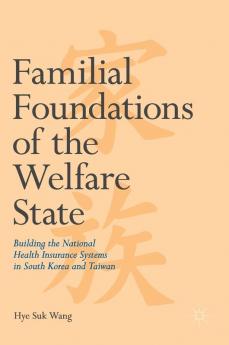
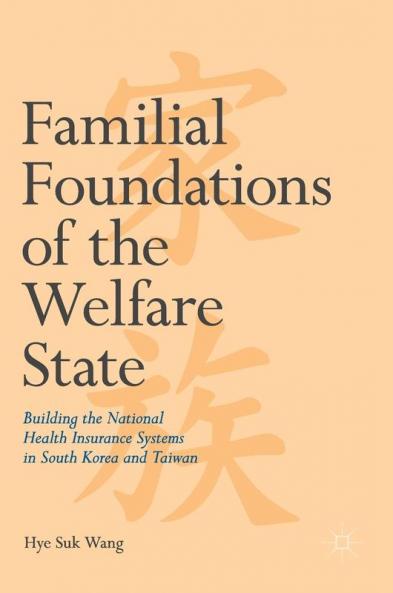
This book situates culture as a determining factor in the development of diverse welfare states exploring the impact of traditional familialism on South Korean and Taiwanese programs. This approach provides an important alternative to studies that focus on formal variables– such as industrialization state intervention and resource mobilization– that do not explain the key differences between the similar programs. Throughout this book Wang looks into both the historical development and the present situation of medical welfare programs in South Korea and Taiwan and she highlights the importance of families in these programs’ development. As East Asian societies continue to age while experiencing fewer births the search for the most suitable sustainable and desirable welfare model in each country will become ever more pressing. Academics and practitioners alike will find this refreshing approach to analysis ideal for building welfare institutions that reflect societal values inaddition to economic conditions.

Piracy-free

Assured Quality

Secure Transactions

Fast Delivery

Sustainably Printed
Details
ISBN 13
9783319587110
Publication Date
-22-09-2017
Pages
-168
Weight
-302 grams
Dimensions
-148x210x11.11 mm
