

English


Hardback
₹12927
₹16334
20.86% OFF
(All inclusive*)
Delivery Options
Please enter pincode to check delivery time.
*COD & Shipping Charges may apply on certain items.
Review final details at checkout.
Looking to place a bulk order? SUBMIT DETAILS
Delivery Options
Please enter pincode to check delivery time.
*COD & Shipping Charges may apply on certain items.
Review final details at checkout.
About The Book
Description
Author
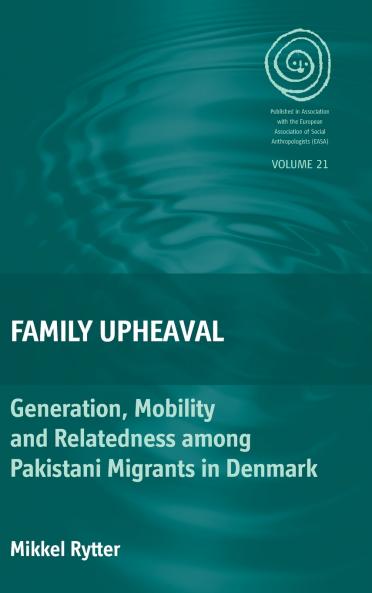
<p> Pakistani migrant families in Denmark find themselves in a specific ethno-national post-9/11 environment where Muslim immigrants are subjected to processes of non-recognition exclusion and securitization. This ethnographic study explores how why and at what costs notions of relatedness identity and belonging are being renegotiated within local families and transnational kinship networks. Each entry point concerns the destructive-productive constitution of family life where neglected responsibilities obligations and trust lead not only to broken relationships but also and inevitably to the innovative creation of new ones. By connecting the micro-politics of the migrant family with the macro-politics of the nation state and global conjunctures in general the book argues that securitization and suspicion-launched in the name of integration-escalate internal community dynamics and processes of family upheaval in unpredicted ways.</p>

Piracy-free

Assured Quality

Secure Transactions

Fast Delivery

Sustainably Printed
Details
ISBN 13
9780857459398
Publication Date
-01-06-2013
Pages
-252
Weight
-434 grams
Dimensions
-152x229x15.88 mm
