


English



Hardback
₹14907
₹19114
22.01% OFF
(All inclusive*)
Delivery Options
Please enter pincode to check delivery time.
*COD & Shipping Charges may apply on certain items.
Review final details at checkout.
Looking to place a bulk order? SUBMIT DETAILS
Delivery Options
Please enter pincode to check delivery time.
*COD & Shipping Charges may apply on certain items.
Review final details at checkout.
About The Book
Description
Author
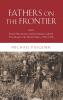
Michael Pasquier examines the lived religion of French missionaries in their daily encounters with anti-Catholic Protestants and anti-clerical Catholics on the American frontier. Focusing on the collective thoughts feelings and actions of priests who found themselves caught between the formal canonical standards of the church and the informal experiences of missionaries in American culture Pasquier illuminates the historical intersection of American French and Roman interests in the United States. Several important conclusions emerge. Pasquier shows that the French missionaries were pivotal actors in the transition from English republican Catholicism of the 18th century to the multiethnic American Catholicism of the 19th. These missionaries lived he shows along a fluid spectrum of Catholicism that moved between a Romanized and an American church neither of which existed in the rigid forms constructed by historians. He finds that at no point did French missionaries engage more directly in distinctively American affairs than in the religious debates surrounding slavery secessions and civil war. These issues he shows compelled even the most politically aloof missionaries to step out of the shadow of Rome and stake their church on the side of the Confederacy. In so doing they set in motion a strain of Catholicism more amenable to Southern concepts of social conservatism paternalism and white supremacy and strikingly different from the liberal progressive strain that historians have usually highlighted.

Piracy-free

Assured Quality

Secure Transactions

Fast Delivery

Sustainably Printed
Details
ISBN 13
9780195372335
Publication Date
-01-01-2010
Pages
-308
Weight
-532 grams
Dimensions
-156x234x20.64 mm
