


English


₹1374
₹1436
4.32% OFF
(All inclusive*)
Paperback
Delivery Options
Please enter pincode to check delivery time.
*COD & Shipping Charges may apply on certain items.
Review final details at checkout.
Looking to place a bulk order? SUBMIT DETAILS
Delivery Options
Please enter pincode to check delivery time.
*COD & Shipping Charges may apply on certain items.
Review final details at checkout.
About The Book
Description
Author
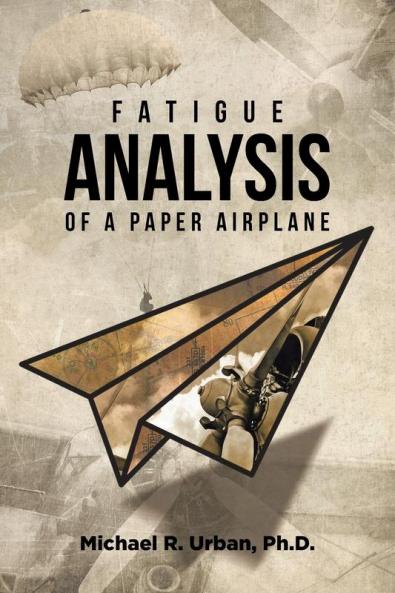
<p>Accounting for fatigue loadings has been a concern ever since the widespread introduction of metallic materials into load-bearing components in the nineteenth century. Calculations were developed based on the analysis capabilities of their time incorporating all the latest technologies of their era. At the time that technology was pencil-and-paper calculations.</p><p></p><p>Today's calculations are computer-based. The widespread use of computing methods has greatly enhanced the analyst abilities for simulating internal stress and strain fields. Unfortunately current fatigue analyses often force-fit current stress field calculations into fatigue analysis methods meant for nineteenth century stress calculation methods. It's never a good idea to force methods optimized for pre-computer calculations to work with computers.</p><p></p><p>This text presents a more integrated approach to computer-based fatigue analysis methods. Like what was originally done the latest technologies are applied rather than force-fitting computer computational capabilities into nineteenth-century techniques.</p><p></p><p>Holistic approaches incorporating all knowledge have long been established as the most successful approach to problem-solving. Incorporating all knowledge with the most modern capabilities is the preferred approach. Holistic methods strive to reduce subjective inputs and replace them with consistent objective ones. This text aims to transition disjointed inefficient analyses into a unified computer-based holistic technique by introducing a fatigue analysis method specifically developed for computer simulations.</p><p></p><p>Ultimately for any method or theory to be valuable it must be put into practice and prove itself. That entails leadership decision-making. Engineering design development activities will lead to final decisions. Information in a holistic approach must include the reliability of the information. How consistent are the predictions? Are the two types of potential scatter analytic and physical properly addressed? Is analytic scatter minimized while maintaining creativity? Is physical scatter totally understood? Effective program management requires knowledge on both types of scatter and most importantly the ability to realize the difference.</p><p></p><p>A novel computer-based unified approach to fatigue methods is presented which incorporates a holistic approach for more accurate and consistent analyses including the management and leadership of fatigue analysis projects minimization of analytic scatter management of physical scatter and unification of methods that minimize subjective inputs often needed to bridge inconsistent techniques.</p>

Piracy-free

Assured Quality

Secure Transactions

Fast Delivery

Sustainably Printed
Details
ISBN 13
9798888514191
Publication Date
-10-07-2023
Pages
-124
Weight
-179 grams
Dimensions
-152x229x7.42 mm
