

English


Paperback
₹4460
(All inclusive*)
Delivery Options
Please enter pincode to check delivery time.
*COD & Shipping Charges may apply on certain items.
Review final details at checkout.
Looking to place a bulk order? SUBMIT DETAILS
Delivery Options
Please enter pincode to check delivery time.
*COD & Shipping Charges may apply on certain items.
Review final details at checkout.
About The Book
Description
Author
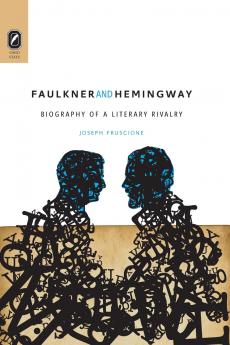
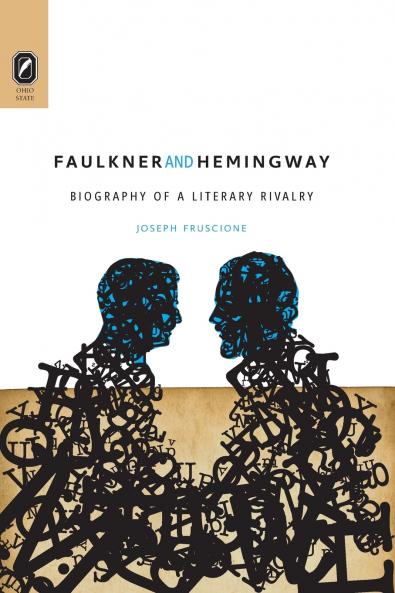
<div> <div>In the first book of its kind Joseph Fruscione examines the contentious relationship of two titans of American modernism-William Faulkner and Ernest Hemingway. At times each voiced a shared literary and professional respect; at other times each thought himself the superior craftsman and spoke of the other disparagingly. Their rivalry was rich nuanced and vexed embodying various attitudes-one-upmanship respect criticism and praise. Their intertextual contest-what we might call their modernist dialectic-was manifested textually through their fiction nonfiction letters Nobel Prize addresses and spoken remarks.</div> <div>Their intertextual relationship was highly significant for both authors: it was unusual for the reclusive Faulkner to engage so directly and so often with a contemporary and for the hypercompetitive Hemingway to admit respect for-and possible inferiority to-a rival writer. Their joint awareness spawned an influential allusive and sparring intertext in which each had a psychocompetitive hold on the other. <i>Faulkner and Hemingway: Biography of a Literary Rivalry</i>-part analytical study part literary biography-illustrates how their artistic paths and performed masculinities clashed frequently as the authors measured themselves against each other and engendered a mutual psychological influence.</div> <div>&nbsp;</div> <div>Although previous scholarship has noted particular flare-ups and textual similarities most of it has tended to be more implicit in outlining the broader narrative of Faulkner and Hemingway as longtime rivals. Building on such scholarship <i>Faulkner and Hemingway</i> offers a more overt study of how these authors' published and archival work traces a sequence of psychological influence cross-textual reference and gender performance over some three decades.</div> </div>

Piracy-free

Assured Quality

Secure Transactions

Fast Delivery

Sustainably Printed
Details
ISBN 13
9780814252338
Publication Date
-29-05-2015
Pages
-272
Weight
-373 grams
Dimensions
-152x229x15.6 mm
