


This Book is Out of Stock!
English




Hardback
₹9390
₹11864
20.85% OFF
(All inclusive*)
Delivery Options
*COD & Shipping Charges may apply on certain items.
Review final details at checkout.
Looking to place a bulk order? SUBMIT DETAILS

Piracy-free

Assured Quality

Secure Transactions
About The Book
Description
Author
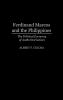
Ferdinand Marcos came to power in the Philippines in a coup dtat in 1972 and ruled absolutely in the name of order until his dramatic overthrow in February of 1986. This study examines how the authoritarian regime of Marcos remained in power sometimes in the face of massive opposition for 14 years. Repressive regimes may seem undesirable but they are often able to elicit the support of significant sectors of society. Marcos was able to maintain authoritarian rule through the support of bureaucrats businessmen and the militaryall with the assistance of the United States government. He maintained this network of support through a patron-client system with a centralized bureaucracy as its power and resource base. In order to reward his supporters he expanded the authority of government. But to minimize the political cost of expansion he maintained the legal and constitutional forms of democracy. The Philippine experience in despotism is not unique; many Third World countries are under authoritarian rule. This subtle and nuanced analysis therefore provides an examination of the levers of power available to absolute rulers to better understand the political economy of authoritarianism.
Piracy-free
Assured Quality
Secure Transactions
*COD & Shipping Charges may apply on certain items.
Review final details at checkout.
₹9390
₹11864
20% OFF
Hardback
Out Of Stock
All inclusive*
Details
ISBN 13
9780275941376
Publication Date
-30-11-1997
Pages
-152
Weight
-318 grams
Dimensions
-156x234x9.53 mm
